Telephone: 86-18937010258
86-0370-5700888
Phone: 86-18438296999
Email : henanyonggong@163.com
Website: en.hnygjx.com.cn
Production base: 2 xishan road, yongcheng economic and technological development zone, henan province
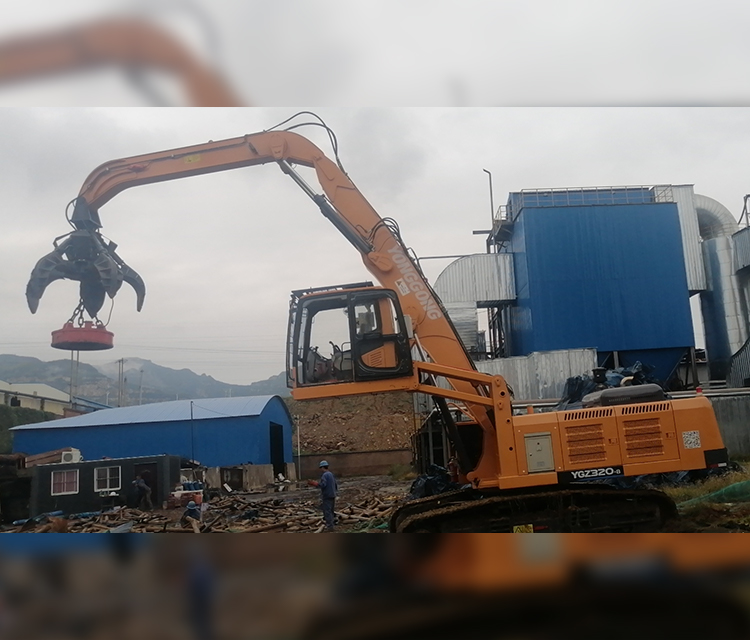
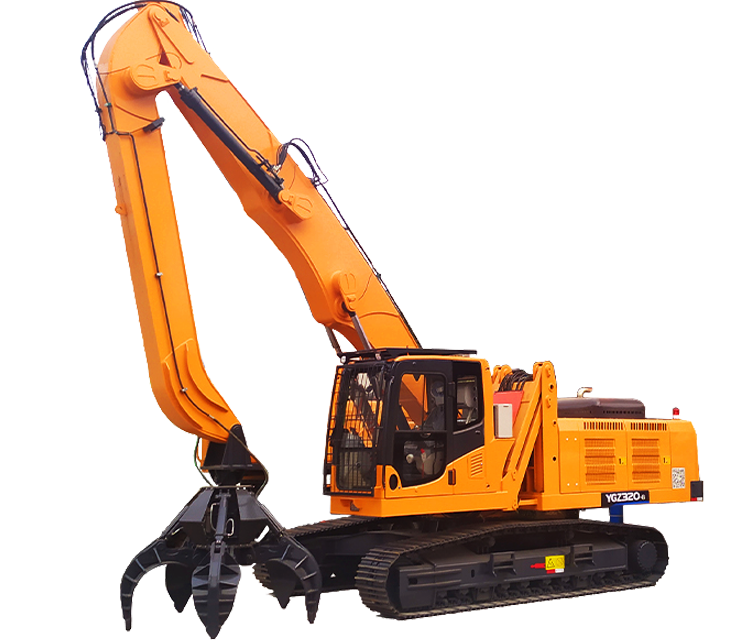
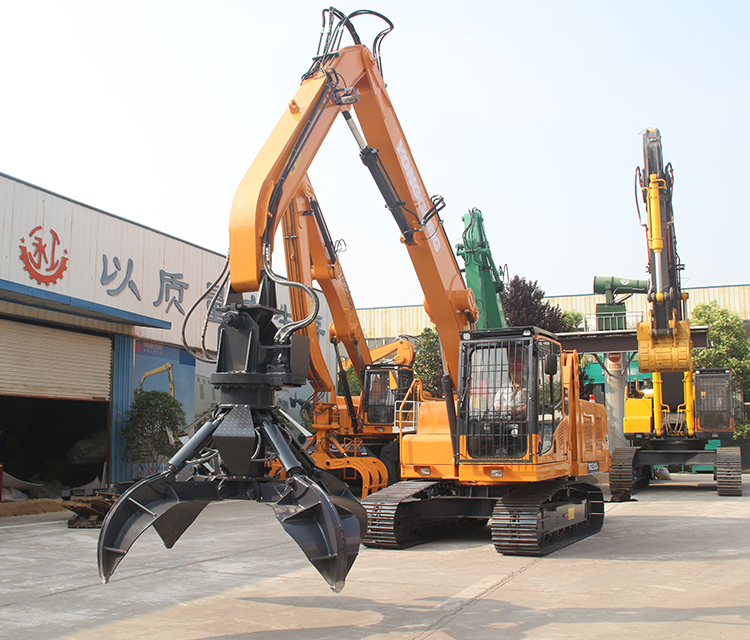
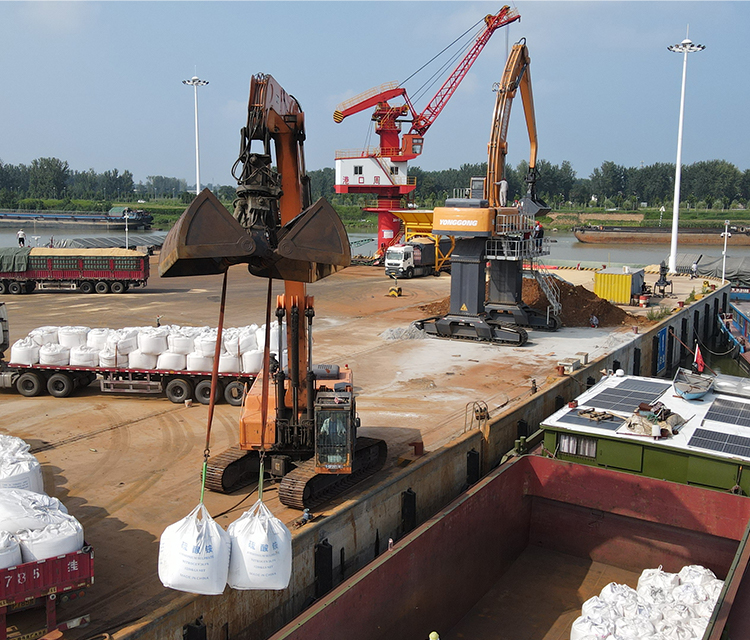
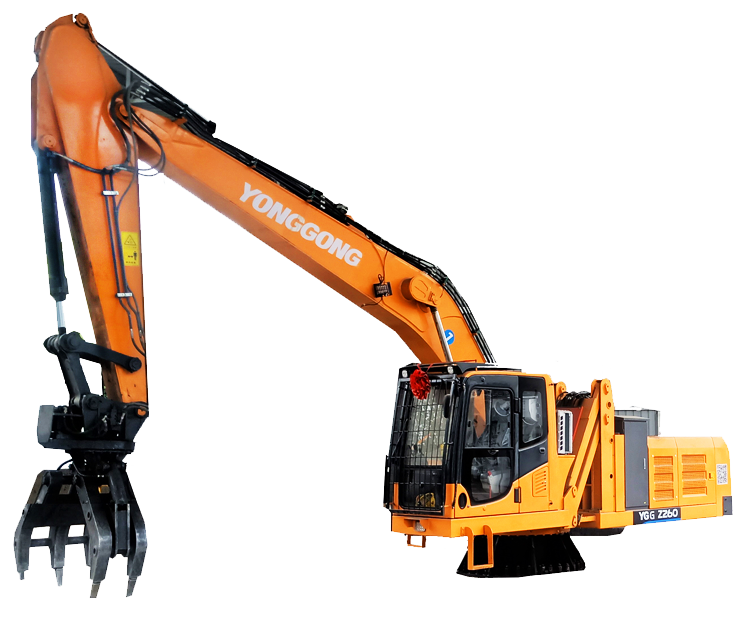
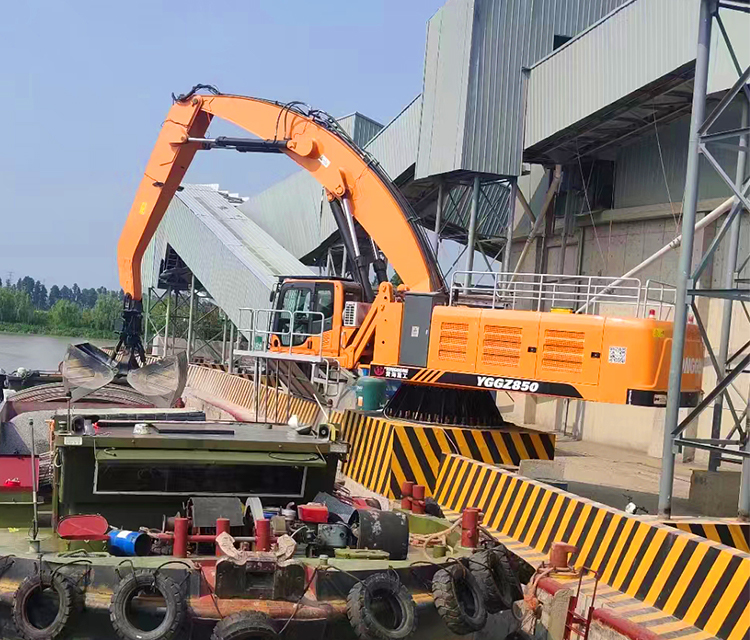
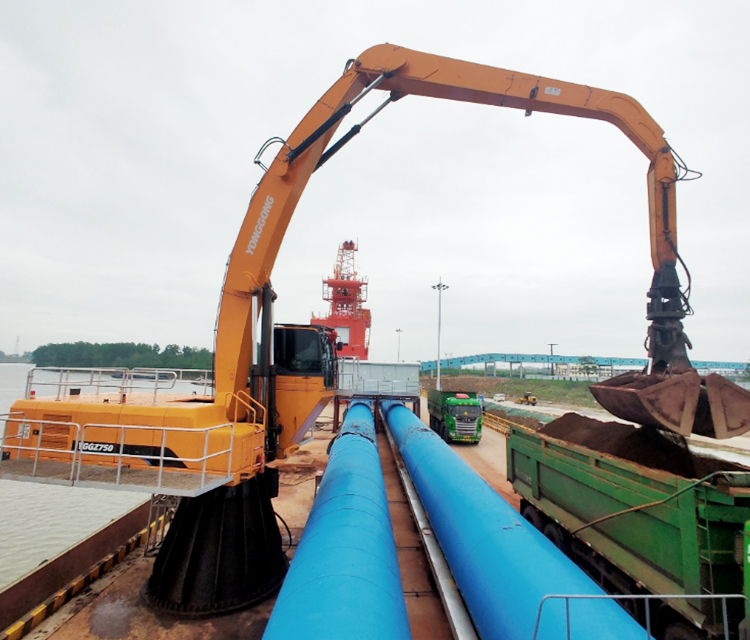
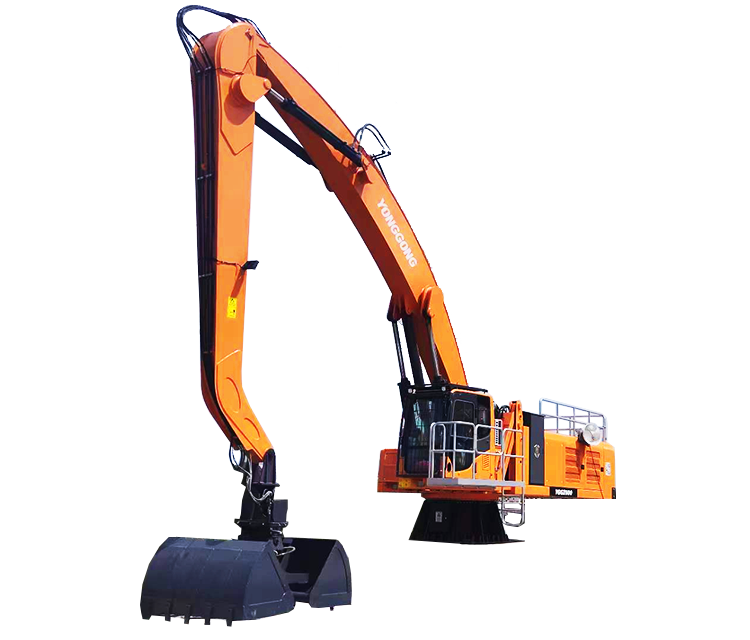
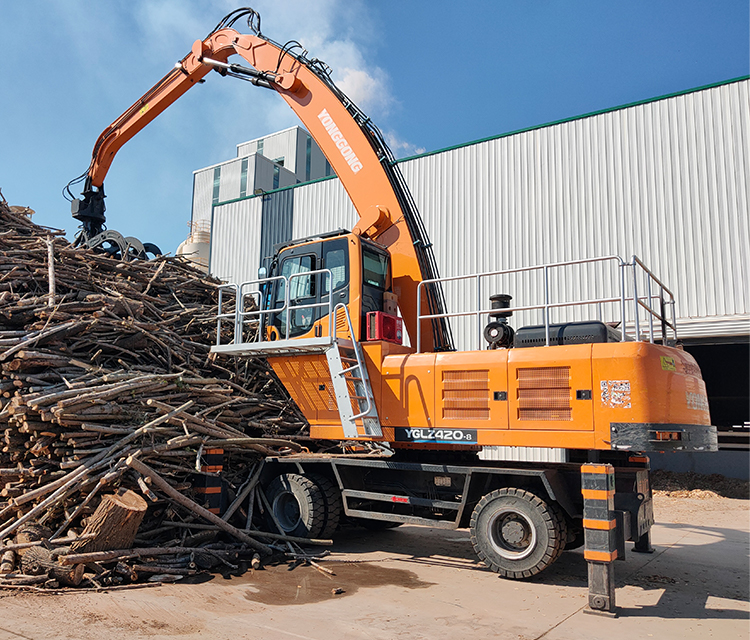
Stacker lifters, as commonly used cargo handling equipment in warehousing and logistics, their operational safety directly affects personnel safety, the integrity of goods, and operational efficiency. However, accidents such as rollovers, collisions, and goods falling are frequently reported due to improper operation. This article, from the three stages of pre-operation preparation, operation compliance, and emergency handling, summarizes the core points of safe operation for stacker lifters, helping operators establish a scientific safety operation awareness.
I. Pre-operation Preparation: Eliminate Hazards and Ensure Equipment is "Operational in Good Condition"
1. Equipment Inspection: Daily "Safety Check"
Before operation, a comprehensive inspection of the stacker crane is necessary. Key points include:
Structural Integrity: Check for cracks or deformations in the forks, mast, and guard frame, and ensure that the chains and bolts are not loose;
Hydraulic System: Observe if the oil pipes are leaking oil and if the oil level is within the standard range (oil below the scale line requires timely refilling);
Braking and Steering: Test the braking sensitivity to ensure that the machine can stop within 1 second in emergency situations; Check if the steering wheel rotates smoothly without any jamming;
Safety Devices: Confirm that functions such as overload alarm, height limit warning, emergency stop button, etc. are normal, and that the laser anti-collision system (if equipped) is not obstructed.
Case: An operator in a warehouse failed to inspect the cracks in the forks during operation. During the operation, the forks broke, causing the goods to tip over and injuring workers nearby. This accident warns: Equipment inspection cannot afford any侥幸.
2. Environmental Assessment: Avoid "Hidden Hazard Zones"
Ground Conditions: Avoid depressions, slopes, and oily surfaces to prevent the stacker crane from tipping over or slipping;
Space Constraints: Confirm that there are no low beams, pipes, or other obstacles in the working area, and that the boom will not collide during lifting;
Cargo Status: Check if the cargo packaging is secure, and if the center of gravity is stable. It is prohibited to handle goods that are prone to rolling or are extremely long or wide.
II. Norms in Work: Details Determine the Success or Failure of Safety
1. Load Capacity and Height Control: Strictly adhere to the "capacity limit" of the equipment
Prohibit overloading: Each stacker crane has a rated load capacity. Overloading will cause the mast to deform, hydraulic system failures, and even overturning;
Height Limit: The lifting height of the goods should be lower than the warehouse's height limit. When the mast is fully raised, the distance between the guardrail and the top of the goods should be greater than 30 centimeters to avoid collision with the crossbeam;
Center of Gravity Management: During handling, keep the goods centered to avoid uneven loading; During lifting, prohibit sudden acceleration or braking to prevent the goods from tipping over.
2. Driving and Steering: Speed is king, anticipate risks
Slow driving: The speed within the warehouse should not exceed 5 kilometers per hour; when in narrow passages or making turns, it should be reduced to below 3 kilometers per hour;
Observe blind spots: When reversing, the warning lights must be turned on. Use the rearview mirror or have someone guide to confirm that there is no one behind;
Prohibit coasting in neutral gear: The stacker crane has no clutch design. Coasting in neutral gear will lose braking capability and is highly likely to cause accidents.
3. Personnel Protection: Wear protective gear and maintain distance
Operator: Must wear a safety helmet, reflective vest, and secure the safety belt (if the cab is open);
Surrounding personnel: When operating, mark out a warning area and prohibit irrelevant personnel from entering; When handling long items, have a dedicated person guide to prevent scratches.
III. Emergency Handling: Stay Calm and Minimize Losses
1. Emergency Failure: Immediately press the emergency stop button, move the stacker crane to a safe area, hang the "Do Not Use" sign, and report for maintenance;
2. Cargo Fall: Do not attempt to block with your hands. Quickly evacuate to a safe distance and handle the situation after the equipment stops;
3. Side-over Risk: If you sense the stacker crane tilting, immediately release the throttle, grip the steering wheel tightly, and avoid sudden steering to prevent further imbalance.
Conclusion
There is no "shortcut" for safe operation of a stacker crane. The only way to prevent accidents at the source is to internalize the norms such as inspection, load limitation, slow speed, and protection into muscle memory. Enterprises should enhance the safety awareness of operators through regular training, assessment, and sharing of accident cases; operators themselves should adopt an attitude of "being responsible for themselves and others" and implement every safety requirement. When the norms become habits, the stacker crane can truly become a "safety assistant" in warehouse and logistics operations, rather than a "source of risks".