Telephone: 86-18937010258
86-0370-5700888
Phone: 86-18438296999
Email : henanyonggong@163.com
Website: en.hnygjx.com.cn
Production base: 2 xishan road, yongcheng economic and technological development zone, henan province
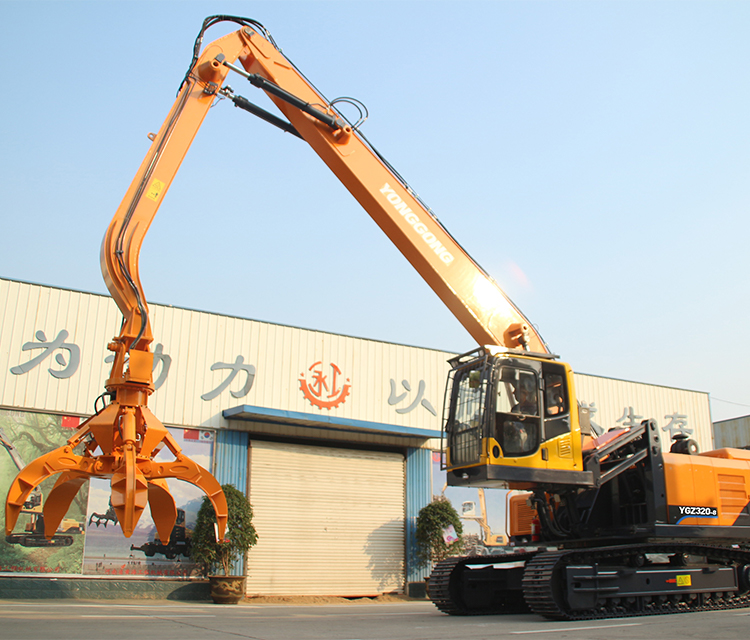
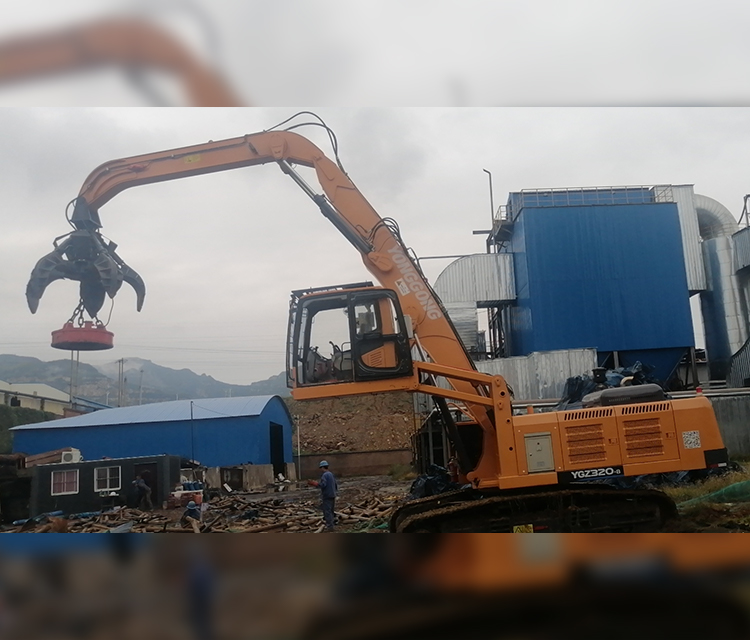
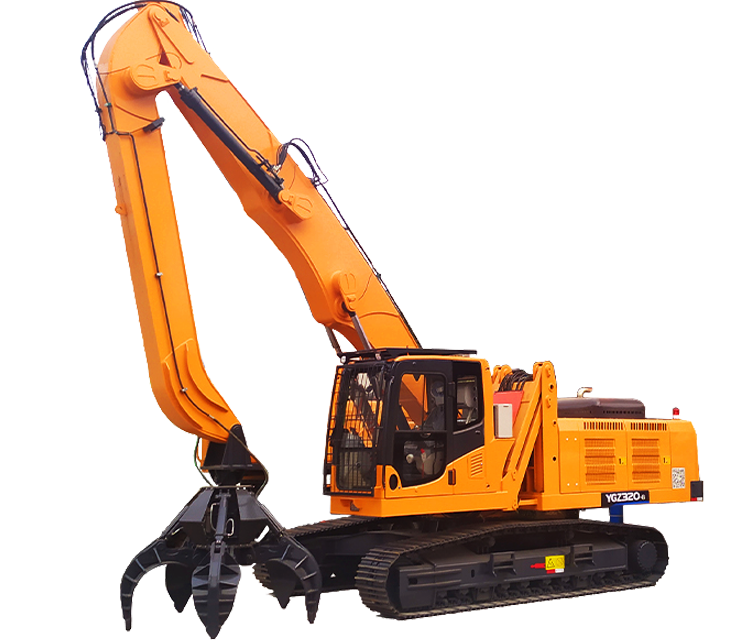
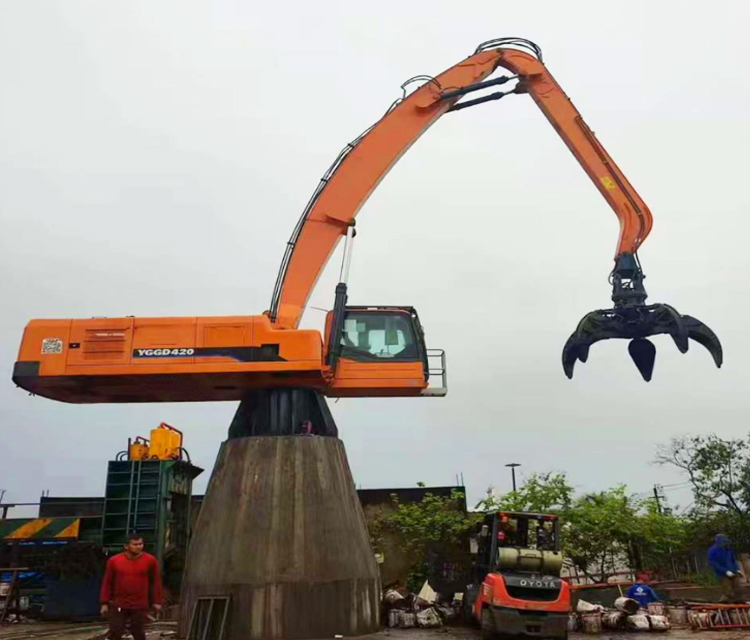
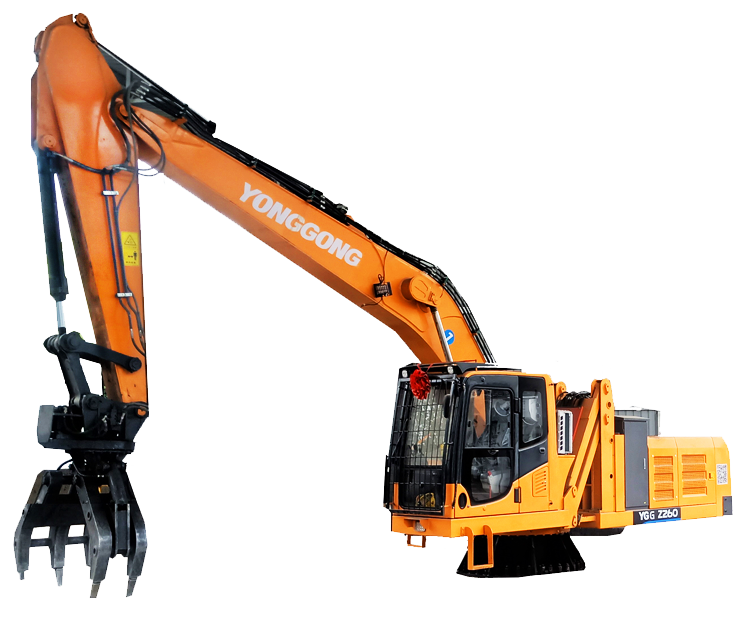
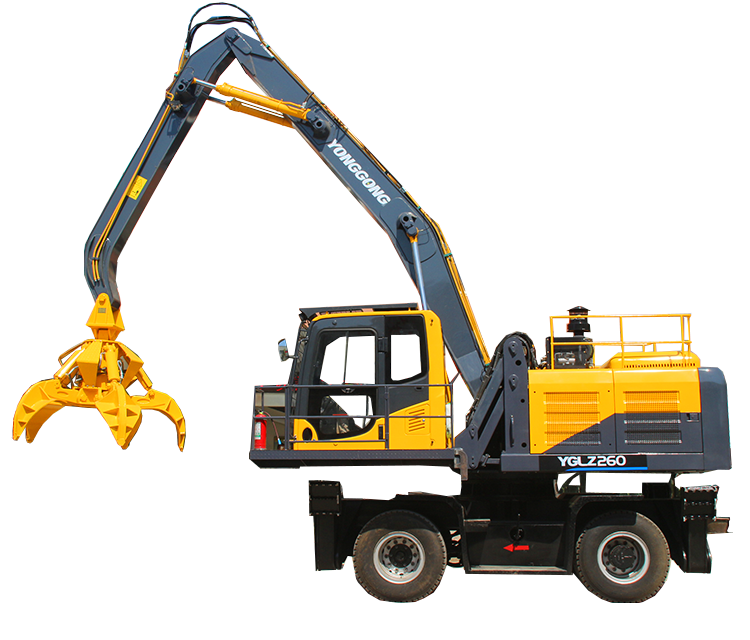
Scrap grapples are workhorses in recycling yards, demolition sites, and steel processing facilities, enabling the efficient handling of bulky metal scraps, debris, and heavy materials. Their durability directly impacts operational productivity and cost-effectiveness—neglecting maintenance leads to frequent breakdowns, unplanned downtime, and expensive component replacements. Proactive care, however, can significantly extend the lifespan of critical parts and ensure consistent performance. This article outlines essential maintenance strategies for hydraulic systems, mechanical components, structural integrity, and operational best practices to maximize your scrap grapple’s longevity.
1. Hydraulic System: The Core of Grapple Functionality
The hydraulic system powers the grapple’s opening/closing mechanisms, making it indispensable. Poor hydraulic maintenance is a leading cause of failures, so prioritize these steps:
- Fluid Management: Check hydraulic fluid levels daily. Low levels introduce air into the system (causing cavitation damage to pumps/cylinders), while contaminated fluid (dirt, water, metal particles) scratches cylinder walls and wears seals. Use the manufacturer-specified fluid grade (e.g., ISO 46) and replace it every 1,000–2,000 operating hours.
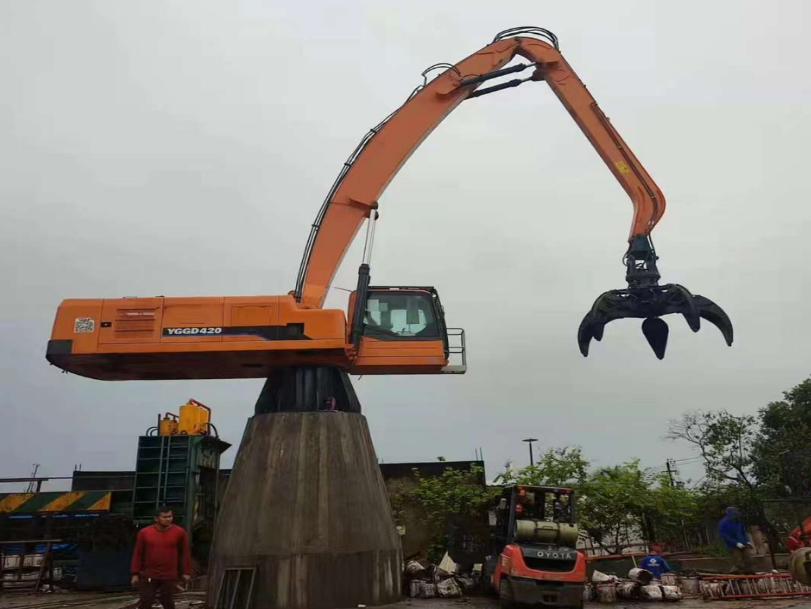
- Filter Replacement: Hydraulic filters trap contaminants—replace them every 500–1,000 hours. Clogged filters reduce flow and increase pressure, risking pump or cylinder damage.
- Hose & Seal Inspection: Inspect hoses for cracks, abrasion, or bulges; even minor damage can lead to leaks or sudden failure. Check cylinder seals for oil leaks—worn seals reduce efficiency and damage other components. Replace damaged parts immediately.
- Clean Connections: Always clean hydraulic fittings before disconnecting to prevent dirt entry. Use caps/plugs to seal open ports during servicing.
2. Mechanical Components: Ensuring Smooth Operation
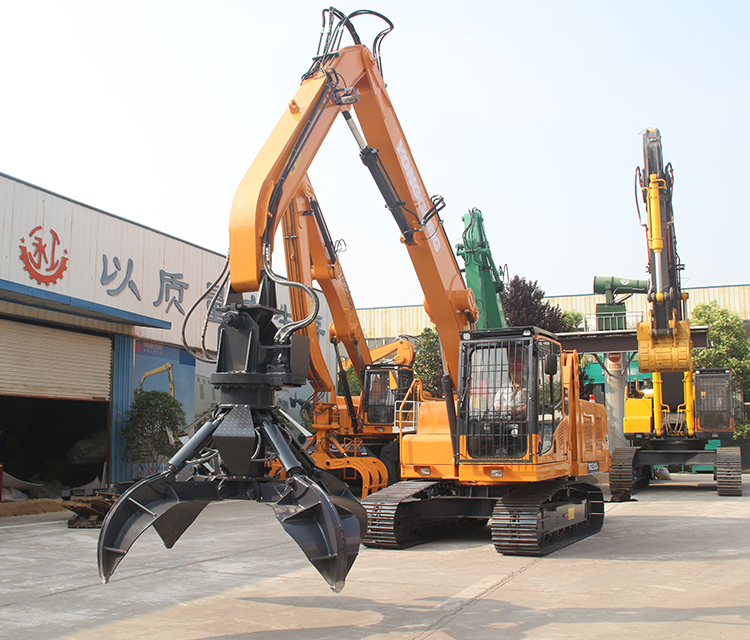
Mechanical parts like tines, pins, and bushings endure constant friction and impact. Proper care here prevents premature wear:
- Tine Maintenance: Inspect tines daily for wear, bending, or cracks. Worn tines reduce grip strength—recondition them via hardfacing welding or replace if severely damaged. Avoid using bent tines, as they stress the frame unevenly.
- Pins & Bushings: These enable articulation. Excessive pin play indicates worn bushings—replace them to avoid frame damage. Lubricate every 8–12 hours (heavy use) or weekly (moderate use) with lithium-based grease (or manufacturer-recommended) to reduce friction and corrosion.
- Linkages: Tighten loose bolts and inspect linkages for wear. Loose fasteners cause unnecessary movement and stress.
3. Structural Integrity: Protecting the Frame
The frame bears heavy loads and impacts. To maintain its strength:
- Weld Checks: Inspect welds in high-stress areas (tine attachments, frame joints, excavator connections) for cracks. Small cracks expand under pressure—repair by certified welders using matching material.
- Rust Prevention: Clean the grapple post-use to remove debris/corrosives (salt, chemicals). Apply anti-corrosion paint/coatings to exposed metal to prevent rust, which weakens the frame over time.
- Frame Deformation: Look for bending/warping. Deformed frames cause uneven load distribution—consult professionals for repair/replacement if detected.
4. Operational Best Practices: Reducing Stress
Usage habits directly affect component life:
- Avoid Overloading: Never exceed the grapple’s rated capacity. Overloading strains the frame, hydraulics, and tines.
- Smooth Movements: Use gentle operations—avoid sudden impacts or jerky motions. Dropping the grapple from heights bends tines or cracks the frame.
- No Prying: The grapple is for grabbing, not prying/pushing. Prying damages linkages or tines.
- Intended Use: Only handle scrap metal/similar materials. Using it for lifting people or non-scrap items is dangerous and harmful.
5. Proactive Maintenance Schedule
A routine ensures consistency:
- Daily: Grease pins/bushings, inspect tines, check hydraulic leaks, clean debris.
- Weekly: Inspect hoses/welds/frame for cracks, tighten bolts.
- Monthly: Check fluid quality, replace filters (if due), inspect seals, test electrical parts (if any).
- Annual: Full inspection—replace worn bushings/pins, recondition tines, repaint coatings, service hydraulics.
Conclusion
Proactive maintenance is the cornerstone of extending scrap grapple component life. By following these tips, you minimize downtime, cut repair costs, and ensure safe operations. Remember: investing time in regular care today saves significant expenses tomorrow. Always refer to the manufacturer’s manual for model-specific guidelines. With proper maintenance, your scrap grapple will serve reliably for years, boosting your operational efficiency and bottom line.