Telephone: 86-18937010258
86-0370-5700888
Phone: 86-18438296999
Email : henanyonggong@163.com
Website: en.hnygjx.com.cn
Production base: 2 xishan road, yongcheng economic and technological development zone, henan province
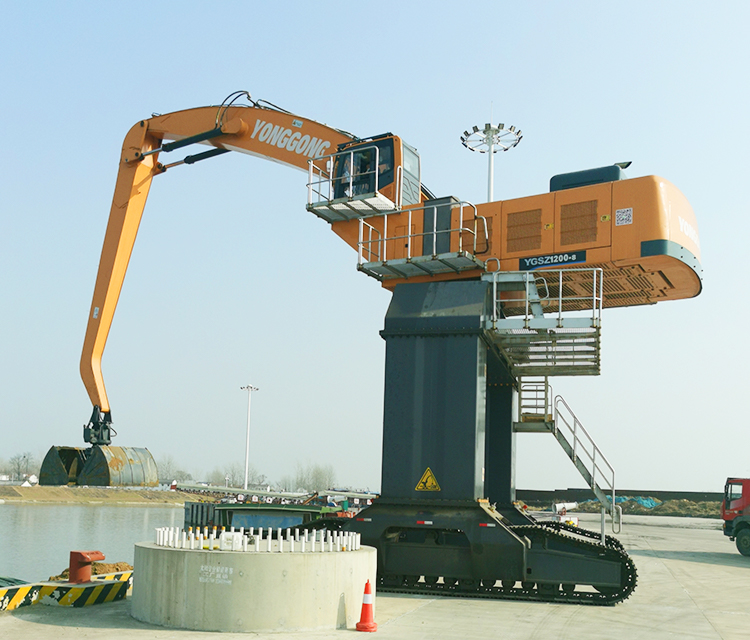
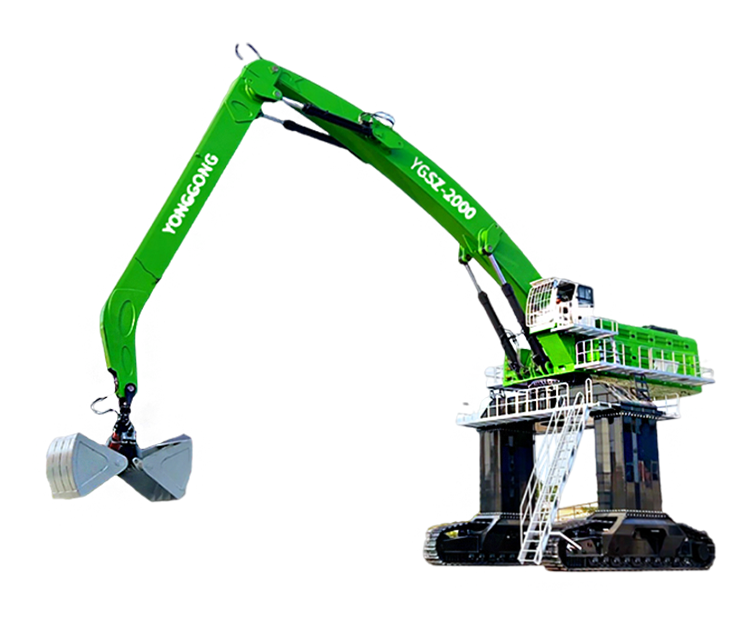
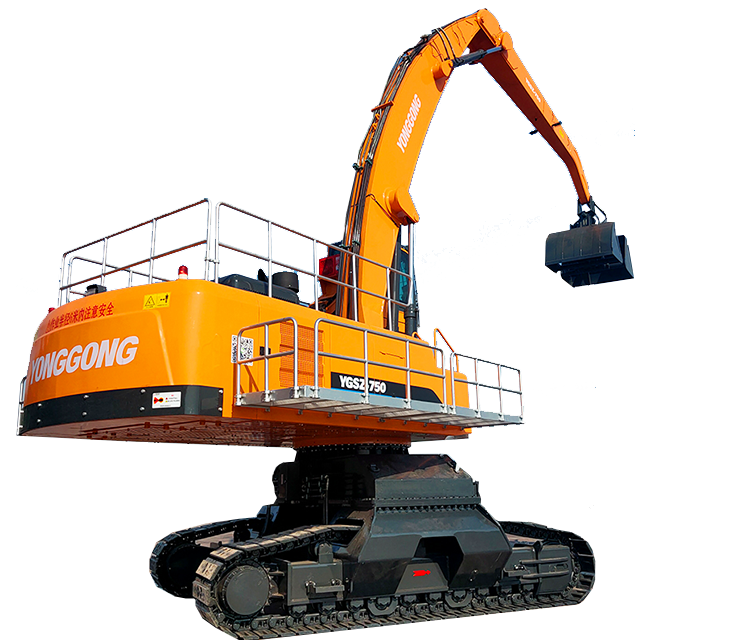
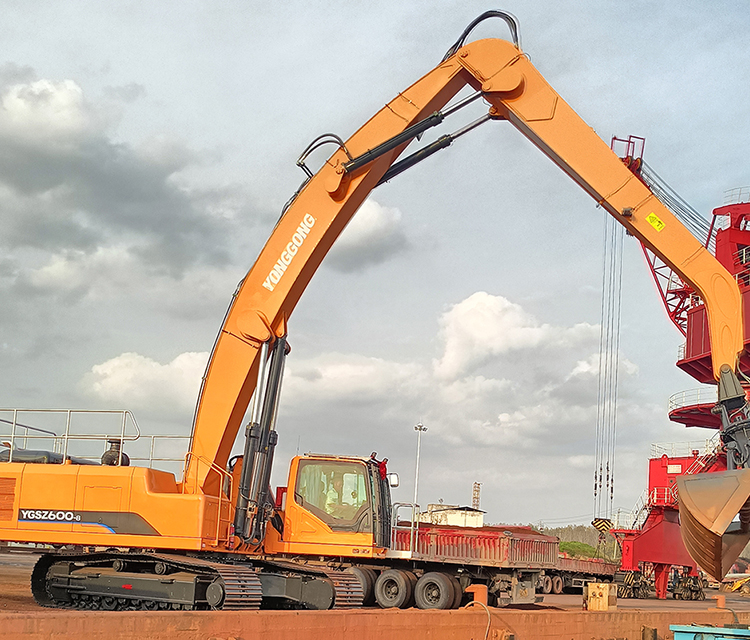
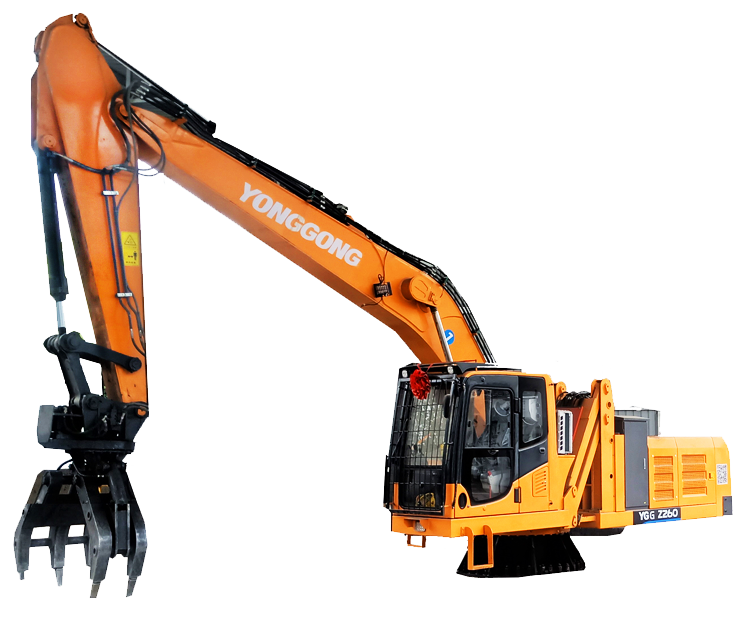
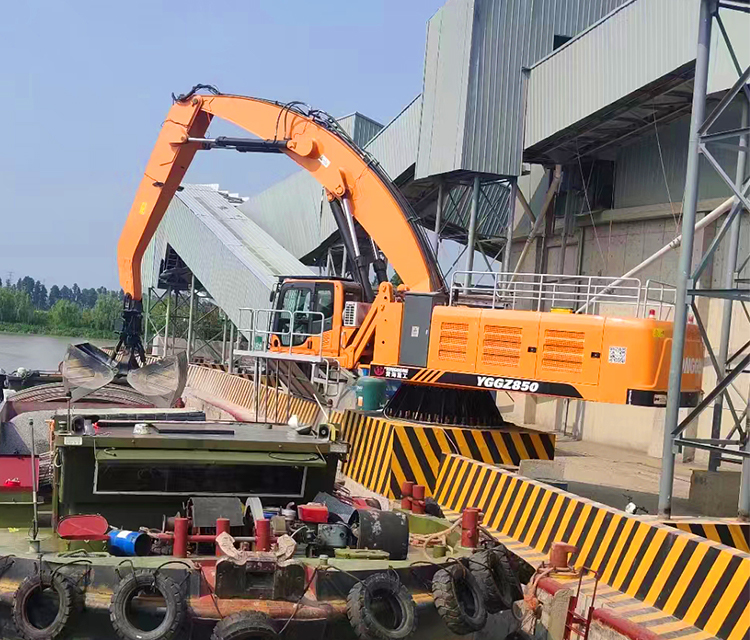
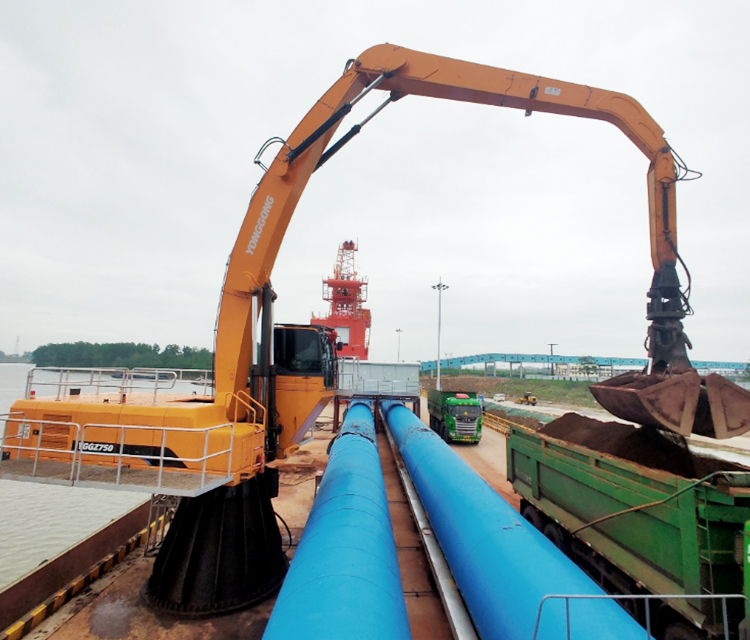
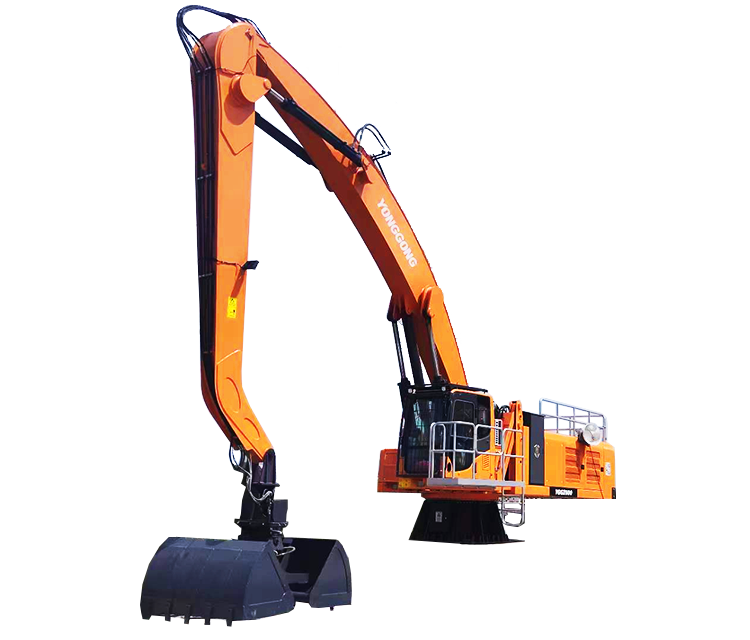
Floating crane, as the core equipment for water-based operations, is widely used in port loading and unloading, bridge construction, offshore wind power installation, and shipwreck salvage, etc. The procurement decision for floating cranes needs to take into account multiple dimensions such as technical parameters, working environment, safety performance, and long-term costs. Here, starting from the core elements, we systematically present the purchase guide for floating cranes.
1. Clearly define the job requirements and technical parameters
Lifting capacity matching
Determine the lifting capacity, working range, and lifting height based on the engineering requirements.
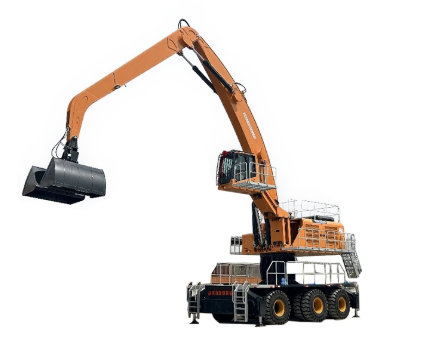
Operating radius and turning performance
The all-rotating floating crane can perform operations within a 360° range, suitable for docks or offshore platforms with limited space; non-rotating models need to adjust their positions by moving the vessel, suitable for open waters. The boom length must cover the maximum operating radius while avoiding excessive length that leads to a decrease in structural strength.
Dynamic stability requirements
Marine engineering needs to take into account the effects of wind waves and currents on the equipment.
II. Evaluation of the adaptability of the working environment
Water conditions compatibility
Water depth: For inland river operations, a low draft design is required (e.g., the minimum operational water depth should be 2.5 meters), while for deep-sea platform installation, an ultra-large semi-submersible floating crane with a displacement of over 70,000 tons is needed.
Water flow speed: In areas with strong water currents, a power positioning system (DP system) must be equipped to automatically counteract the influence of the water flow.
Geological foundation: For soft soil foundations, a double-hull ship structure is needed to distribute the pressure and prevent equipment from sinking.
Climate adaptability
In extremely cold regions (such as the ports in the Russian Far East), anti-freezing hydraulic oil and electric heating systems must be adopted to ensure that equipment operates normally at -35℃; in tropical regions, enhanced heat dissipation designs are necessary to prevent the power system from overheating due to high temperatures.
III. Core Components and Safety Configuration
Drive System Selection
Diesel Engine Drive: Suitable for remote sea areas without power supply, but requires a tailpipe treatment device to meet IMO Tier III emission standards.
Electric Drive: Excellent environmental performance, with noise below 75 decibels, suitable for urban port operations.
Hybrid Drive: Combining diesel engine and lithium battery, reducing energy consumption by over 20%, suitable for dredging projects with frequent start-stop operations.
Safety device configuration
Limit protection: Includes lifting, slewing, and rotation limiters to prevent wire rope over-tension or arm collision.
Overload warning: Monitors the load through pressure sensors and automatically cuts off power and gives an alarm when overloaded.
Emergency anchoring: Equipped with a rapid anchoring device that can complete fixation within 10 minutes in a 6-level wind condition, preventing equipment drift.
IV. Life Cycle Cost Management
Initial Purchase Cost
It is necessary to balance performance and budget. For example, for equipment of the same tonnage, the price of the fully rotating model is 30% - 50% higher than that of the non-rotating model, but the operational efficiency is improved by 40%.
Operation and maintenance costs
Energy consumption optimization: The use of variable frequency speed regulation technology can reduce the energy consumption of the lifting mechanism by 15%.
Corrosion prevention design: The hull is coated with military-grade anti-corrosion paint, extending the service life to over 25 years and reducing mid-term maintenance costs.
Spare parts supply: Priority is given to components with high standardization (such as universal steel wire ropes, hydraulic valve groups), reducing the difficulty of inventory management.
Residual value and upgrade potential
The modular design of the floating crane enables an increase in tonnage by simply replacing the boom and upgrading the power system.
V. Compliance and Certification Requirements
Adherence to International Standards
The exported equipment must obtain certifications from organizations such as CCS (China Classification Society) and ABS (American Bureau of Shipping), and meet the requirements for life-saving equipment and fire protection systems stipulated in the SOLAS Convention (International Convention for the Safety of Life at Sea).
Environmental regulations compliance
The EU market must comply with CE certification and have a noise limit of 85 decibels; the Southeast Asian market must meet the local environmental protection department's regulations on oil pollution emissions (such as the Singapore MPA standards).
The procurement of floating crane should follow the principles of "demand-oriented, safety-first, and cost-controllable". Through quantifying technical parameters, simulating operation scenarios, and comparing the full life cycle costs, the most suitable equipment for the engineering requirements should be selected. With the development of intelligent technology, intelligent floating cranes with remote monitoring and automatic obstacle avoidance functions are becoming an industry trend. During the procurement process, technical upgrade interfaces can be reserved to lay the foundation for future digital management.