Telephone: 86-18937010258
86-0370-5700888
Phone: 86-18438296999
Email : henanyonggong@163.com
Website: en.hnygjx.com.cn
Production base: 2 xishan road, yongcheng economic and technological development zone, henan province
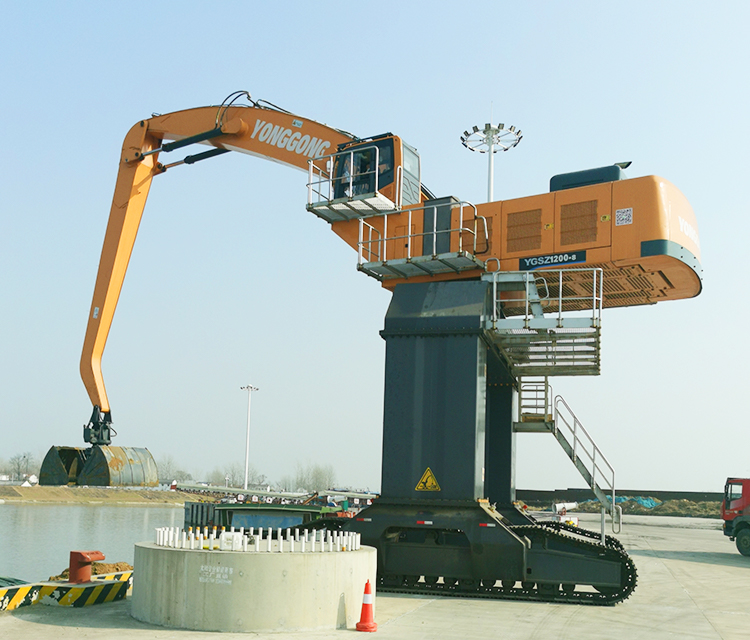
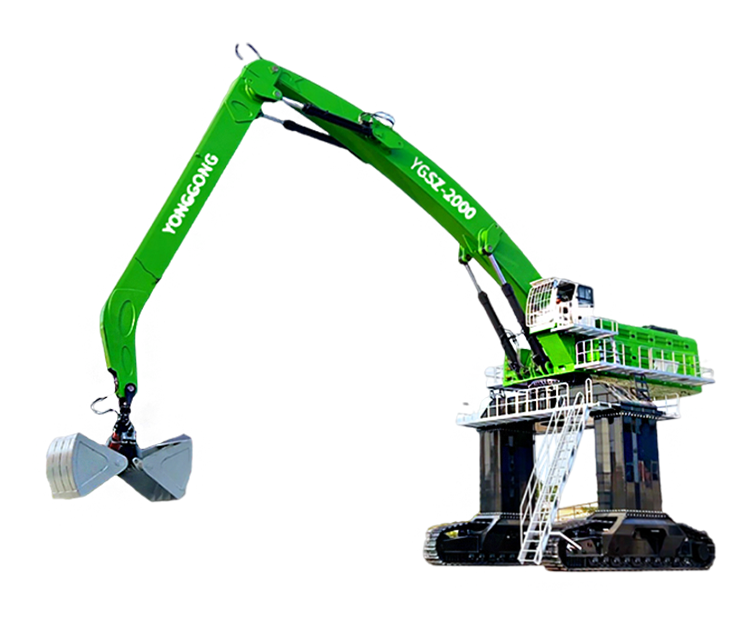
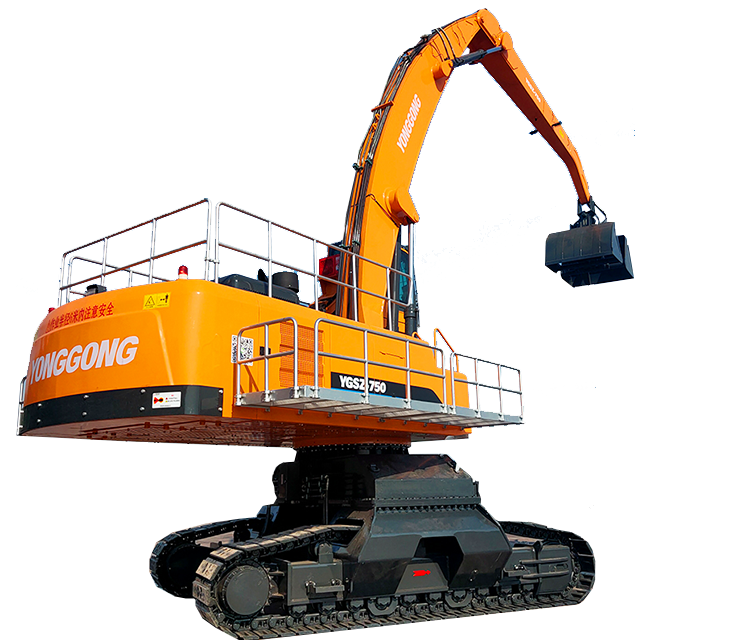
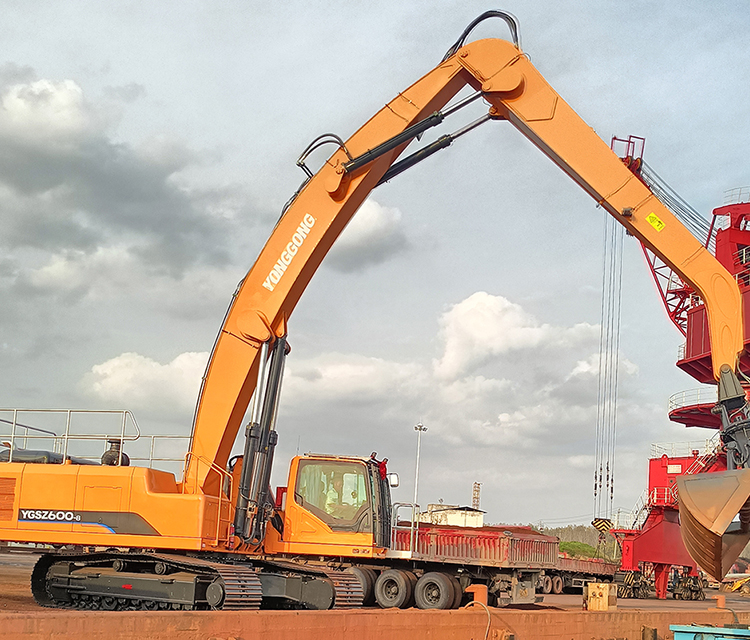
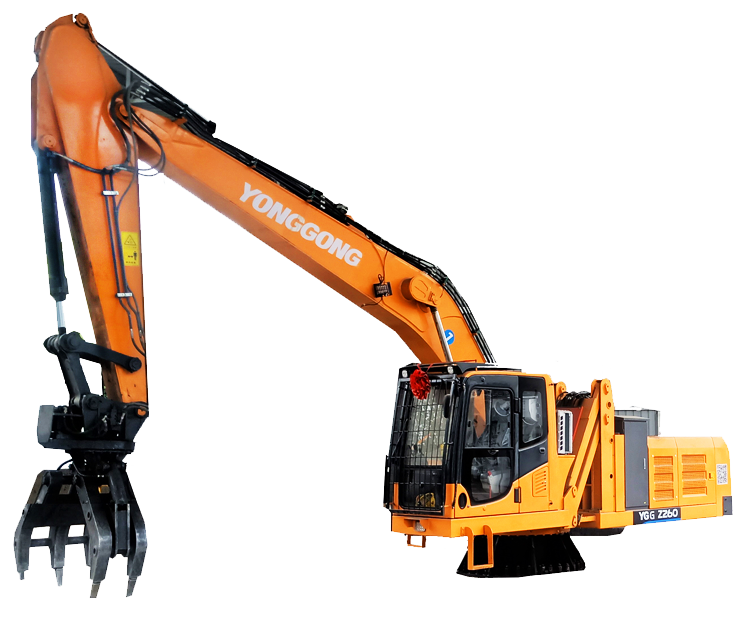
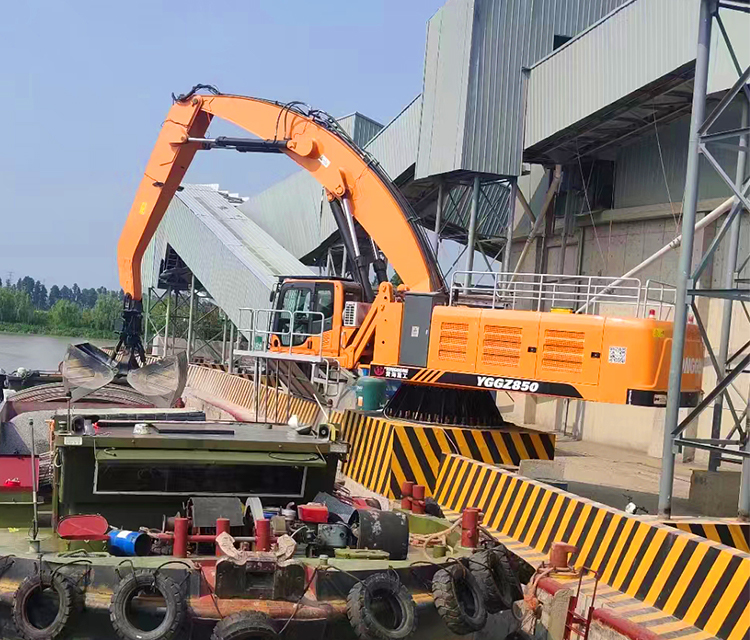
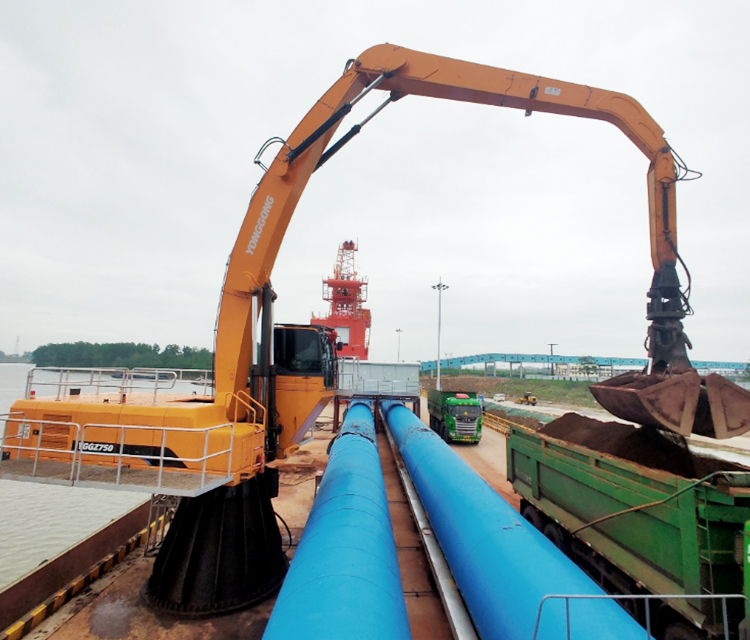
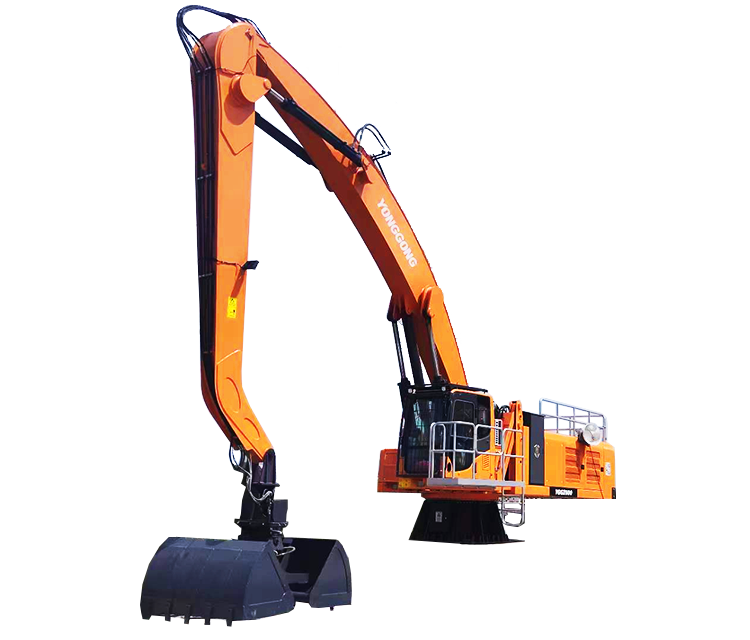
In heavy-duty loading and unloading and automated logistics scenarios, as a core device, the hydraulic gripper's hydraulic pipeline leakage not only leads to a drop in system pressure and sluggish operation, but also may cause hydraulic oil contamination, equipment shutdown and even safety accidents. According to industry statistics, over 60% of hydraulic system failures are caused by pipeline leakage. However, through systematic protective measures, the leakage rate can be controlled below 0.5%. The following is an analysis of the key technologies for preventing leakage in hydraulic pipelines from three dimensions: design, installation, and maintenance.
I. Scientific Selection and Optimized Design: Eliminating Hidden dangers from the source
The selection of hydraulic pipelines should follow the "pressure - flow - temperature" triple matching principle. Taking a container graber at a certain port as an example, the working pressure of its main oil circuit reaches 25MPa. The SAE 100R12 type steel wire wound hydraulic pipe is selected, and the pipe body has a pressure resistance capacity of 40MPa, which is 1.6 times the working pressure, effectively preventing the pipe body from bursting. In terms of pipe diameter design, through CFD fluid simulation optimization, the suction pipe diameter was expanded from DN50 to DN65, reducing the suction resistance by 37% and minimizing the risk of leakage caused by cavitation from the source.
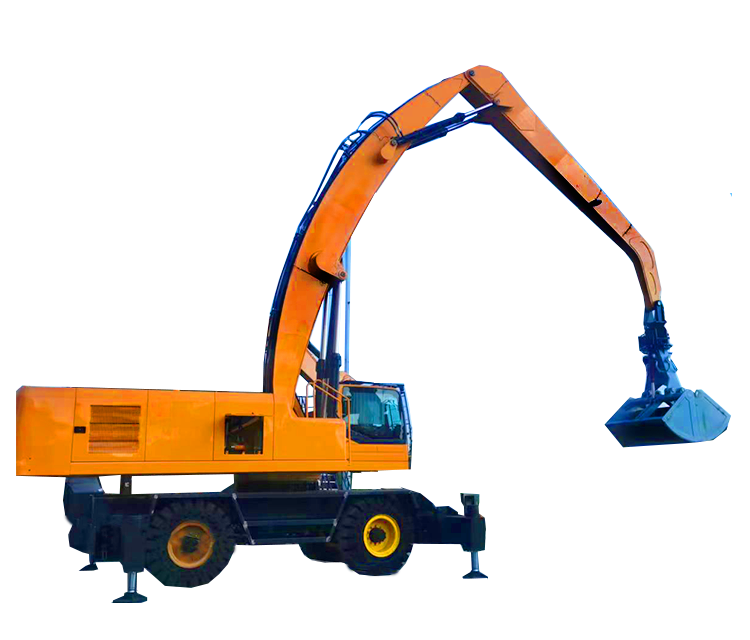
The rationality of pipeline layout directly affects the reliability of the system. In the renovation project of the grab machine in a certain steel enterprise, the "three-dimensional space stereoscopic pipe layout" technology was adopted. The high-pressure pipes and low-pressure pipes were arranged in layers, with a spacing of more than 150mm, to avoid pipe body resonance caused by pressure fluctuations. Meanwhile, an arc transition with R≥5D (D being the pipe diameter) is set at the elbow, reducing the local stress concentration coefficient from 3.2 to 1.5 and significantly extending the fatigue life of the pipeline.
Ii. Precise Installation and Process Control: Strengthening the connection defense line
Pipeline connection is of Paramount importance in leakage prevention and control. On the assembly line of the grab machine in a certain automobile manufacturing plant, the "three-step tightening method" was adopted to install the pipe joint: Firstly, it was manually pre-tightened until the contact surface was in close contact. Then, a torque wrench was used to tighten it in two steps to the specified value (for example, the torque of the SAE flange joint is 135N·m±5%). Finally, the tightening position was marked with marking paint for subsequent inspection. The actual measurement shows that this method has reduced the joint leakage rate from 8% to 0.3%.
The selection of seals is as crucial as their installation. For different working conditions, sealing materials should be selected differently: In high-temperature environments (> 80℃), fluororubber (FKM) sealing rings are used, and their temperature resistance can reach 200℃. In highly corrosive working conditions, polytetrafluoroethylene (PTFE) coated seals should be selected. When installing, a dedicated guide sleeve should be used to evenly press the sealing ring into the sealing groove to avoid local squeezing damage caused by tilting.
Iii. Intelligent Monitoring and Preventive Maintenance: Building a Dynamic Protective Network
Modern hydraulic grabbers are achieving real-time monitoring of pipeline health status through Internet of Things technology. A certain port group has deployed fiber Bragg grating sensors in the hydraulic system of the grab machine, which can accurately detect minute deformations of 0.01mm on the pipe wall. When the system detects that the expansion of the pipe body exceeds 15% of the design value, it automatically triggers a warning and locates the leakage risk point, reducing the maintenance response time from 2 hours to 15 minutes.
The optimization of preventive maintenance strategies is equally important. It is suggested to establish a "three-color management" system: green pipelines (newly installed or overhauled) should be inspected every 500 hours, yellow pipelines (in operation for more than one year) every 200 hours, and red pipelines (with a history of leakage) should be inspected weekly. The detection methods include advanced technologies such as ultrasonic leakage detectors (capable of identifying micro-leaks as small as 0.01mL/min) and infrared thermal imagers (for locating temperature anomalies caused by leakage).
In terms of maintenance techniques, a certain construction machinery enterprise has introduced laser cladding technology to repair worn parts of pipelines. By using a high-energy laser beam to melt alloy powder onto the inner wall of the pipe, a wear-resistant layer with a thickness of 0.5 to 1.2mm is formed, which increases the pressure resistance of the repaired pipeline to 1.2 times that of the original design and extends its service life by more than three times.
From scientific design to intelligent monitoring, the anti-leakage technology of hydraulic grab machine pipelines has formed a complete closed loop of "prevention - detection - repair". With the application of new technologies such as digital twins and hydrogen energy hydraulic oil, the future hydraulic pipeline system will achieve the goal of "zero leakage", providing stronger guarantees for the reliable operation of industrial equipment.