Telephone: 86-18937010258
86-0370-5700888
Phone: 86-18438296999
Email : henanyonggong@163.com
Website: en.hnygjx.com.cn
Production base: 2 xishan road, yongcheng economic and technological development zone, henan province
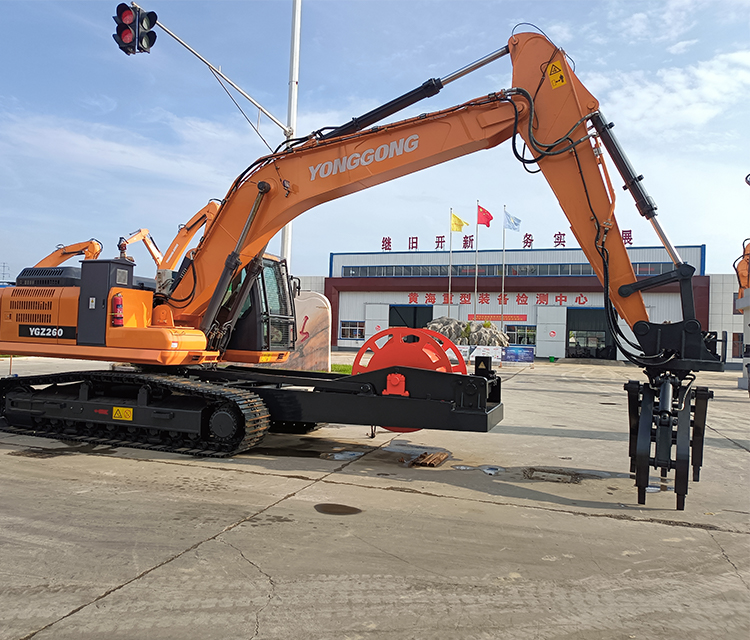
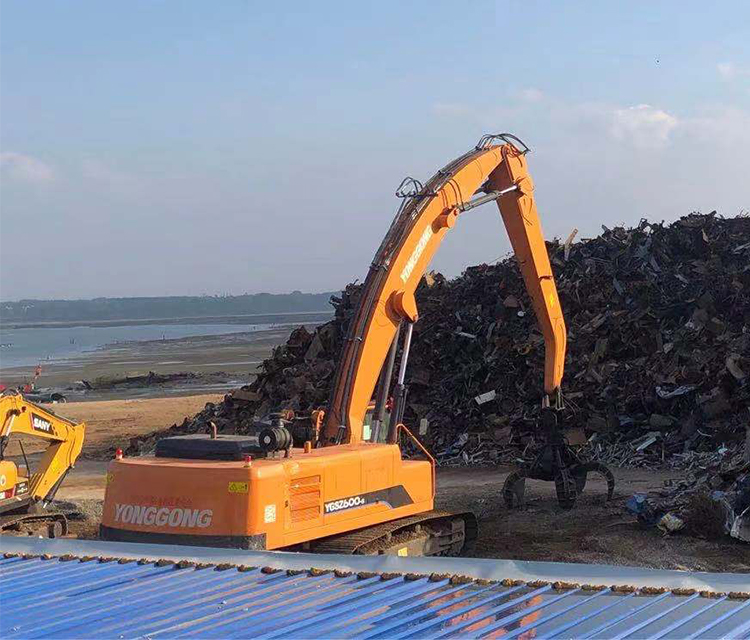
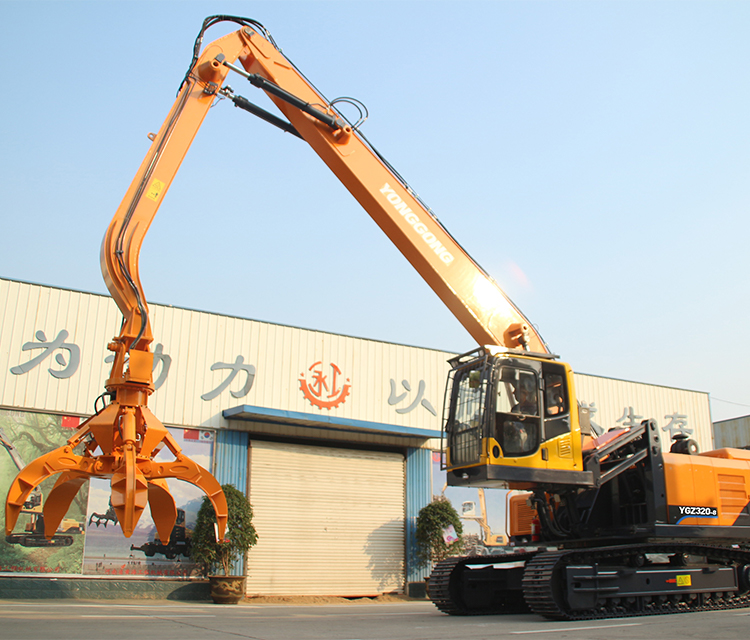
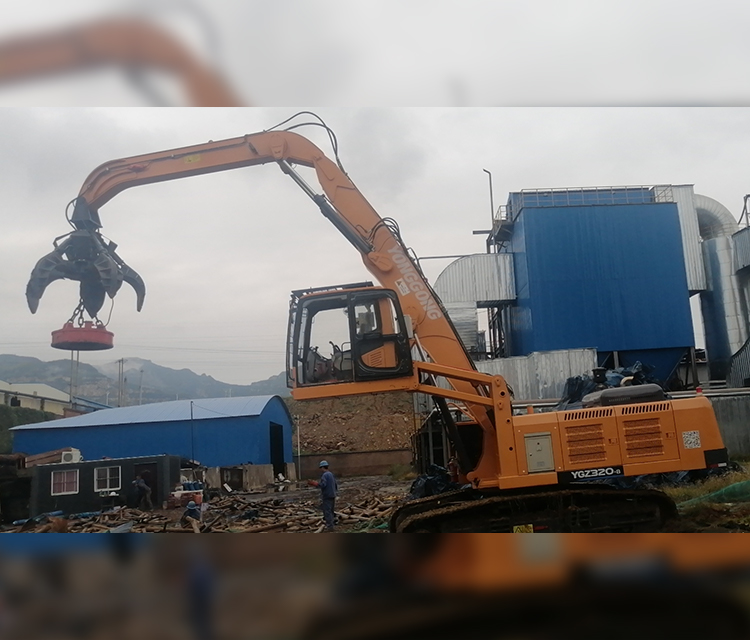
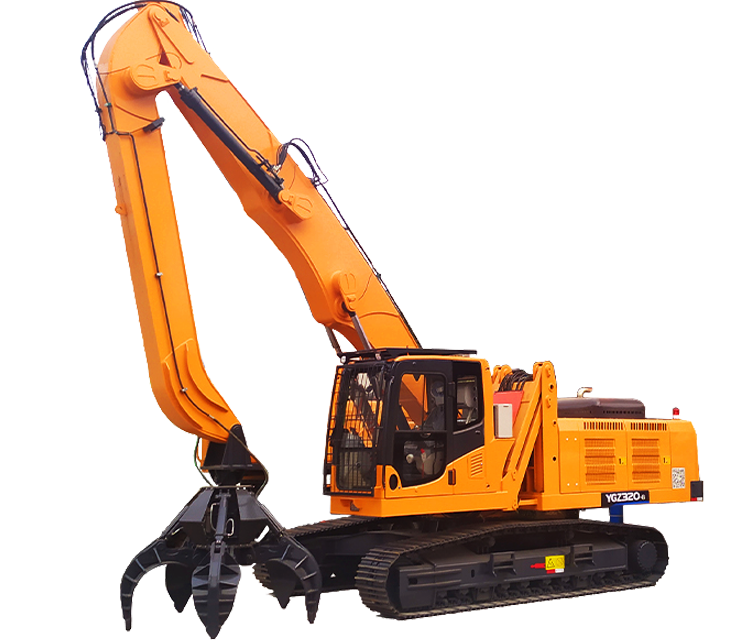
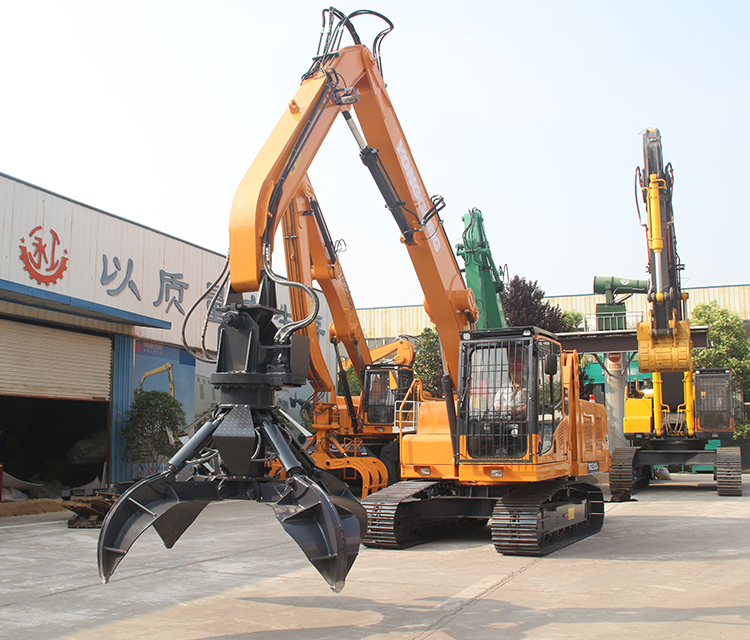
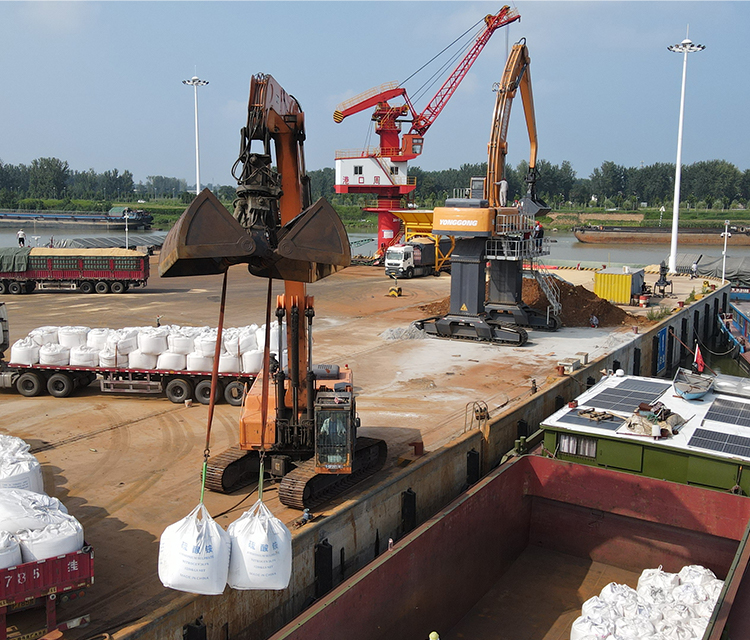
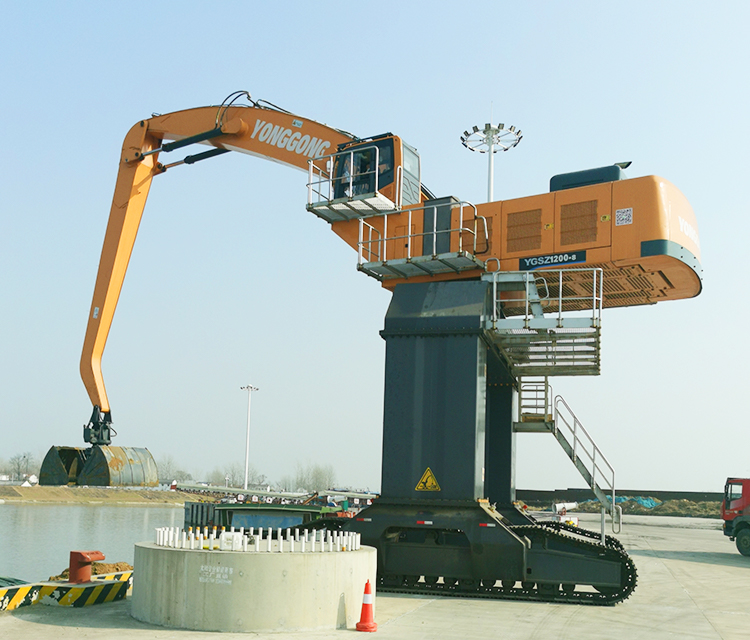
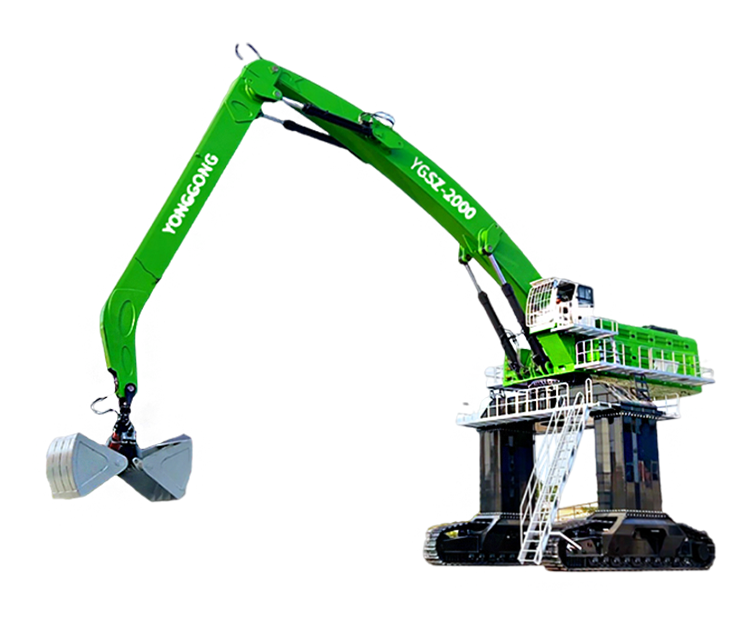
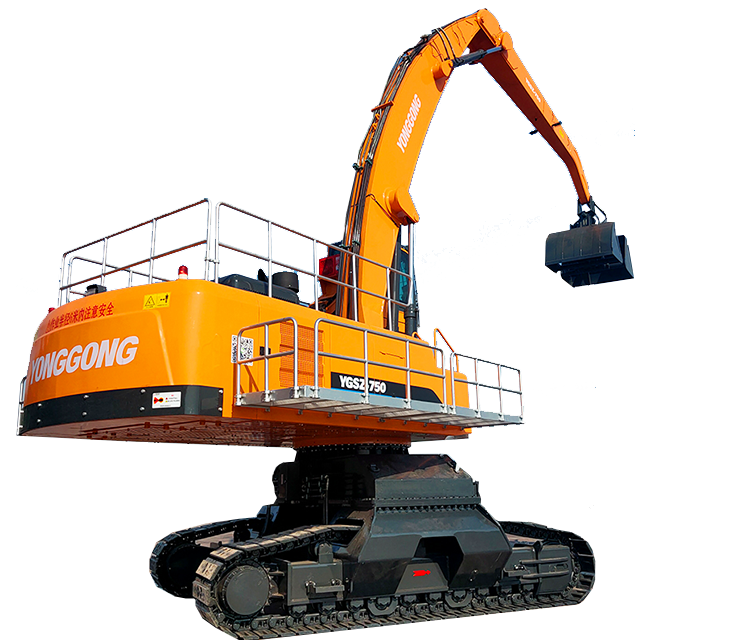
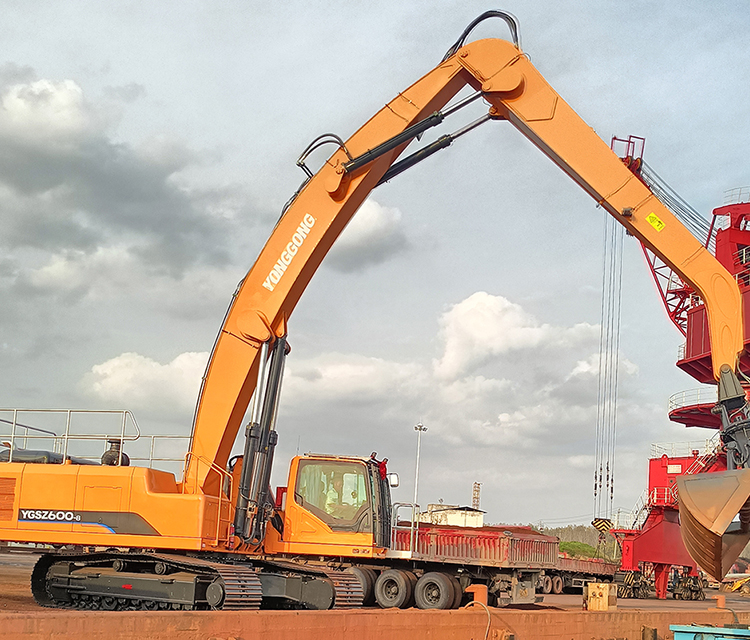
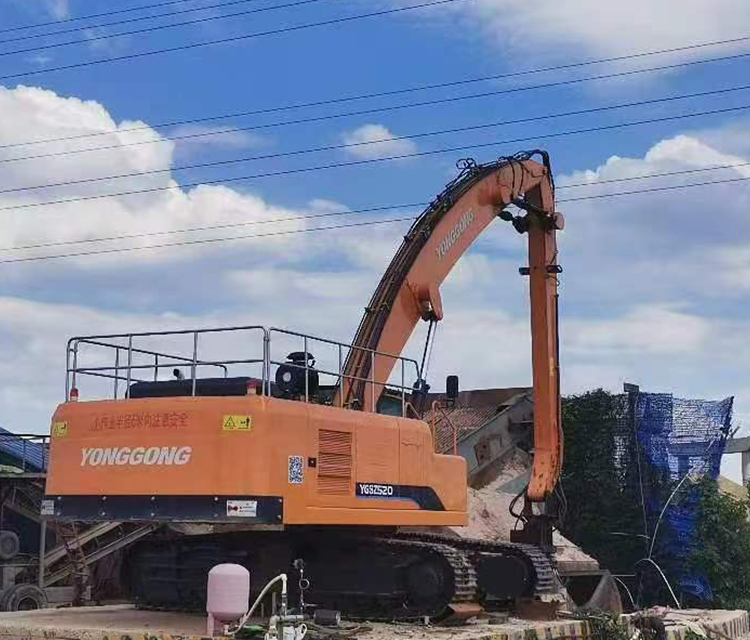
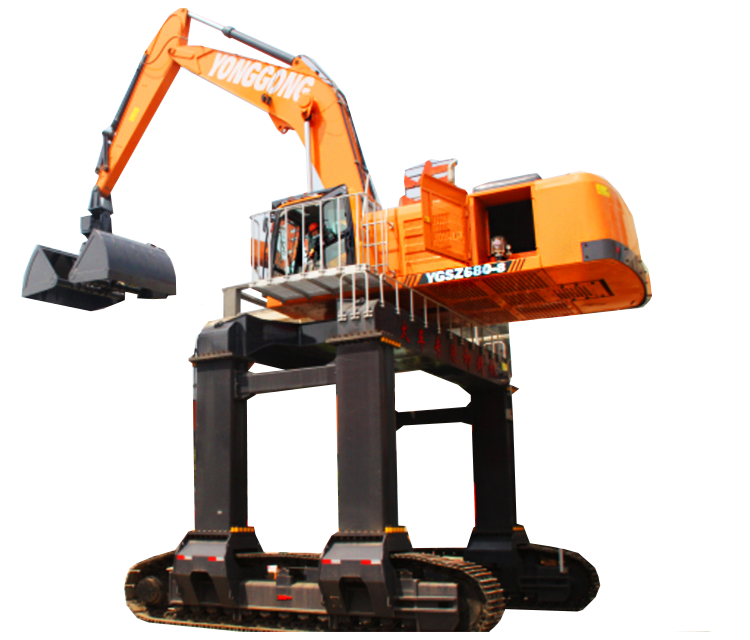
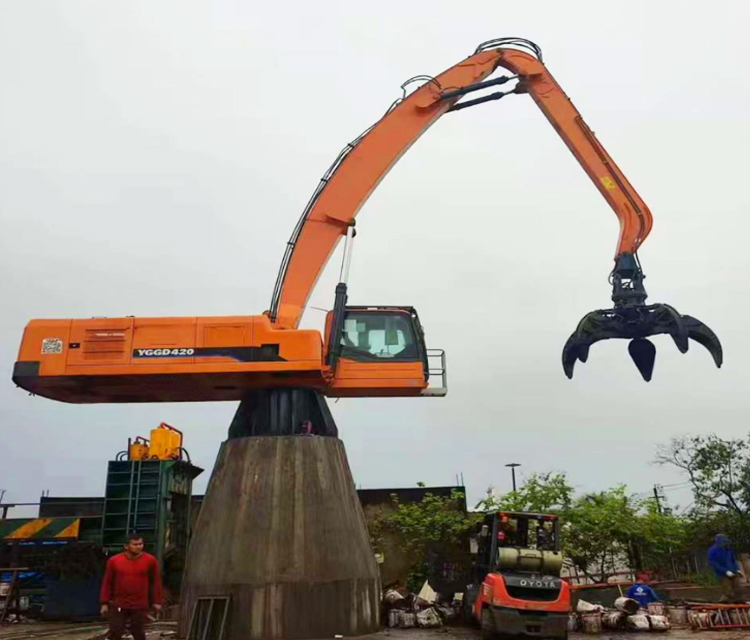
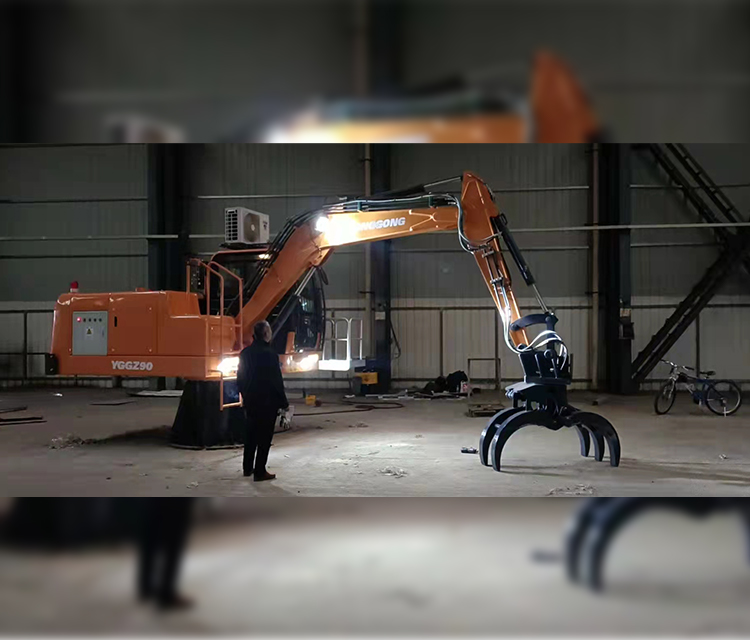
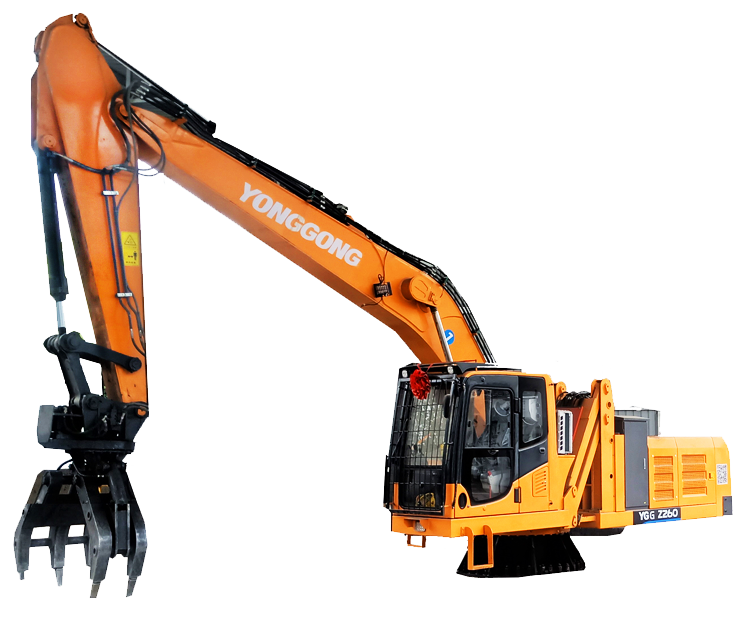
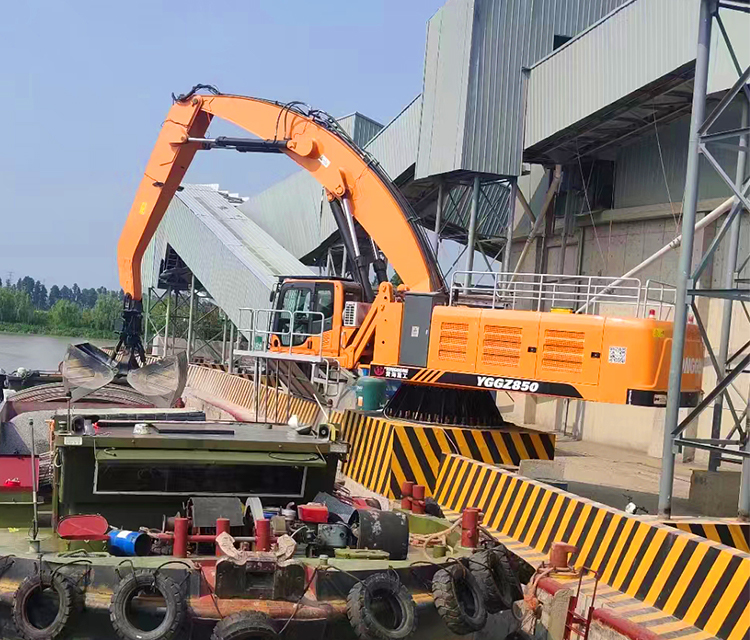
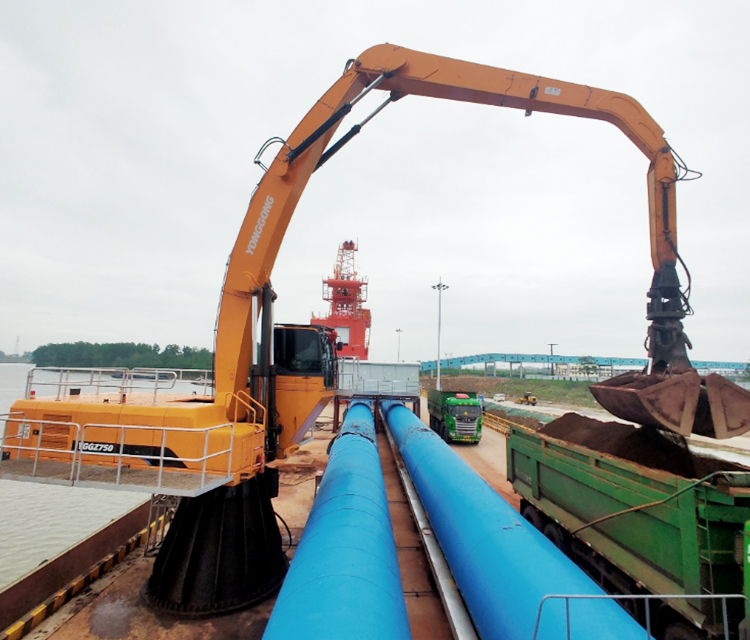
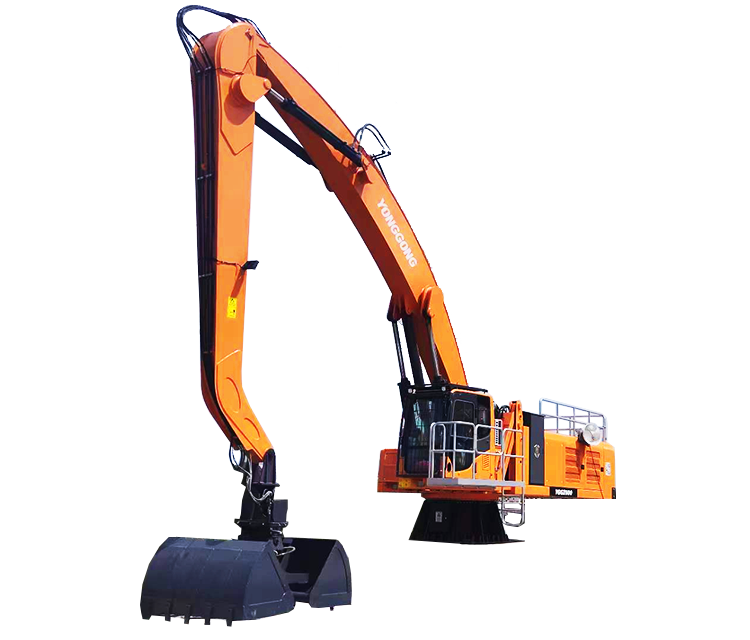
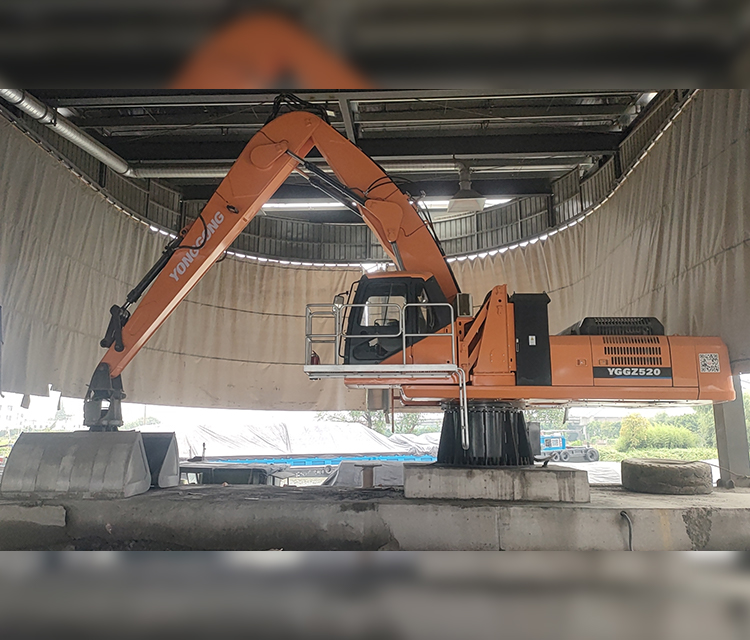
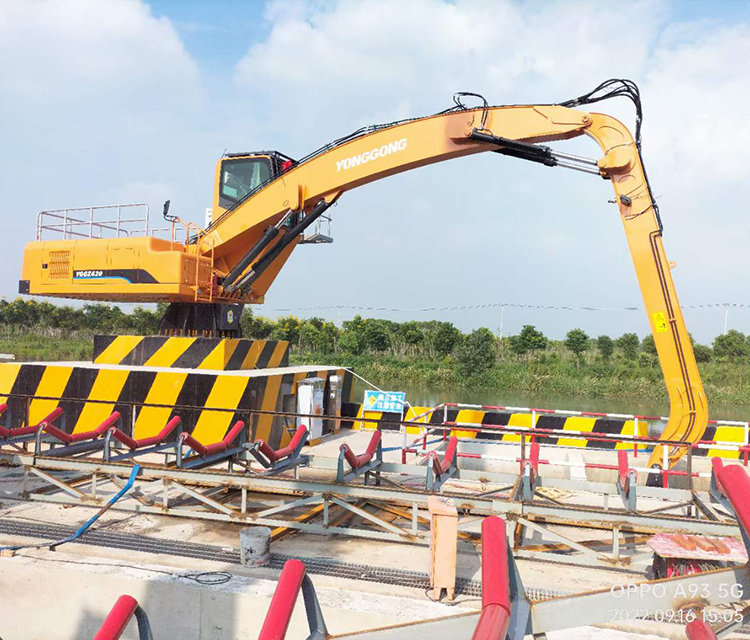
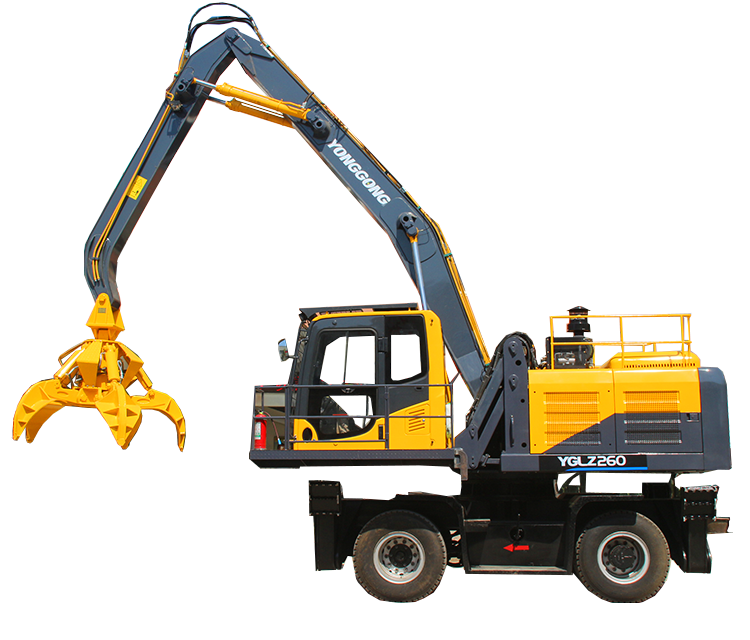
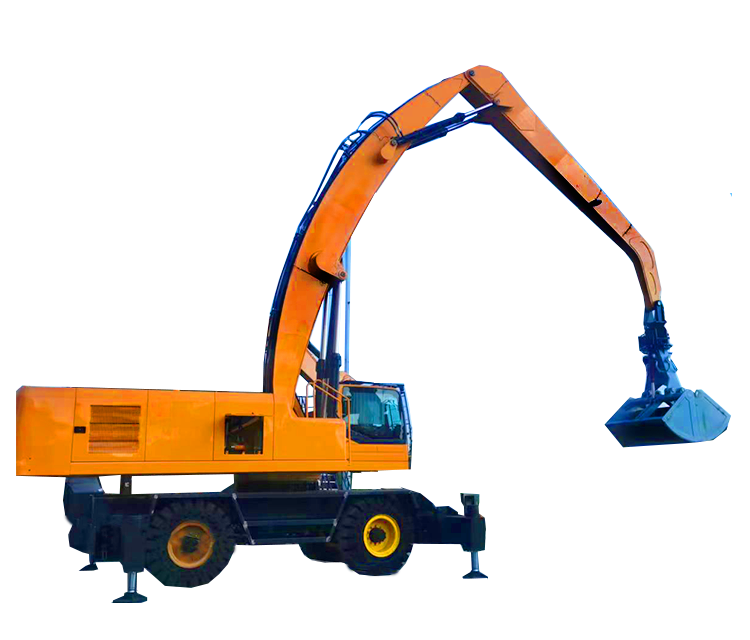
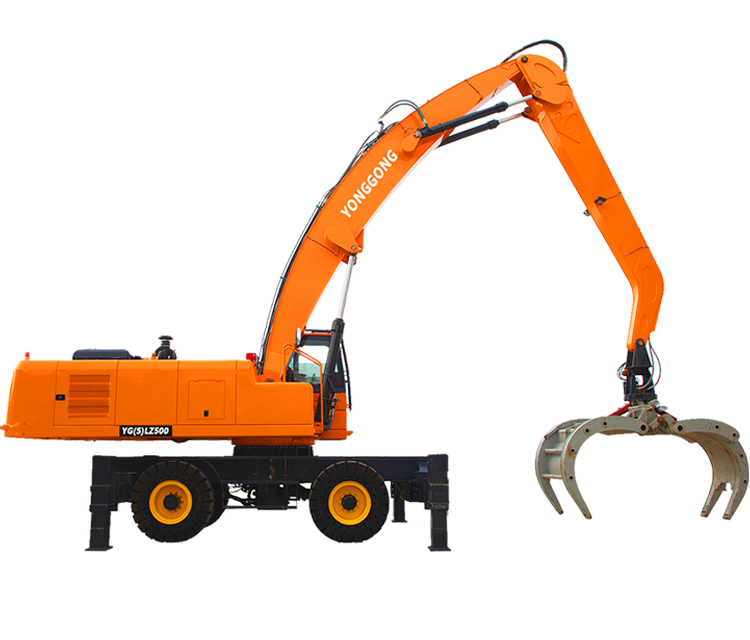
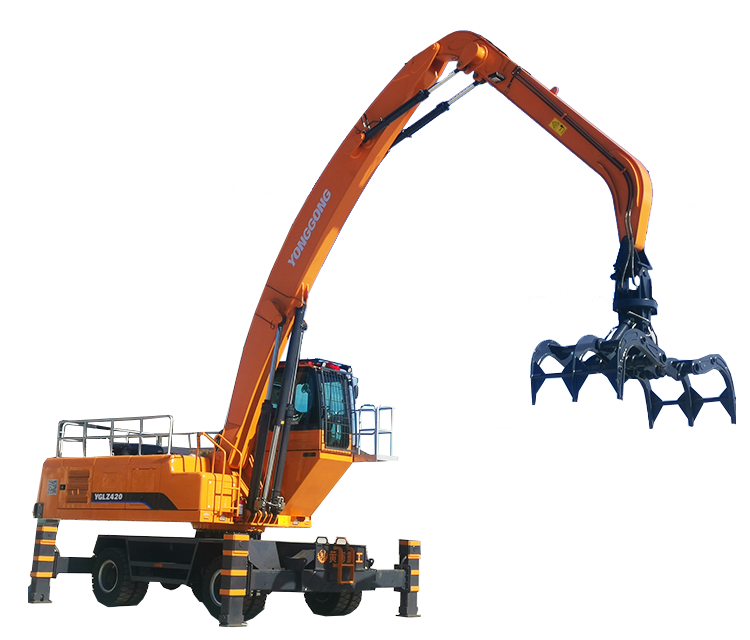
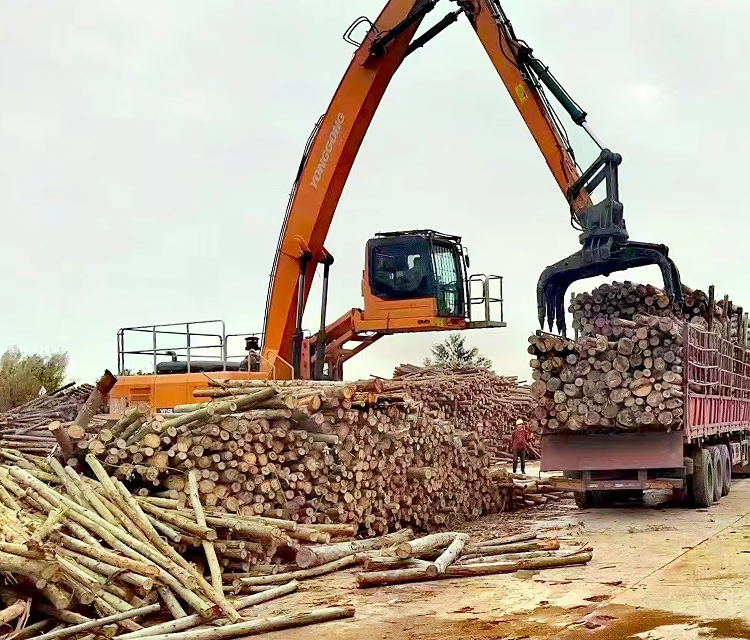
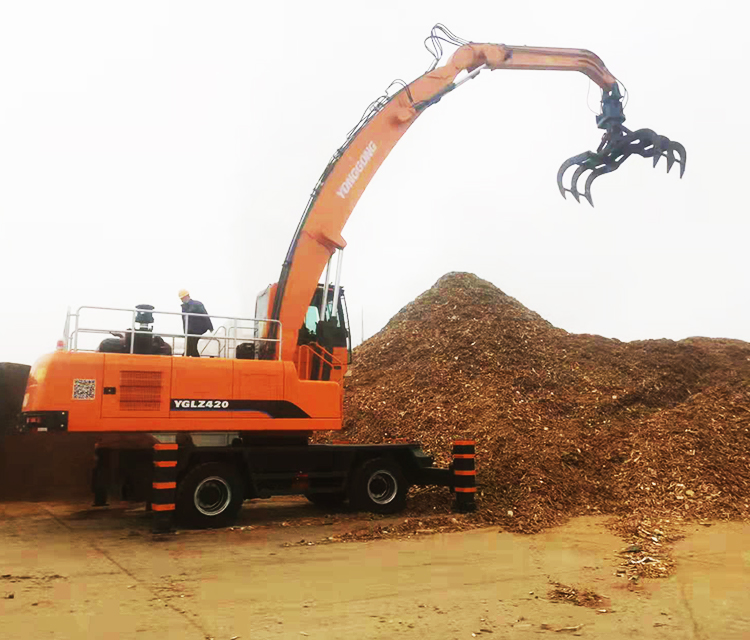
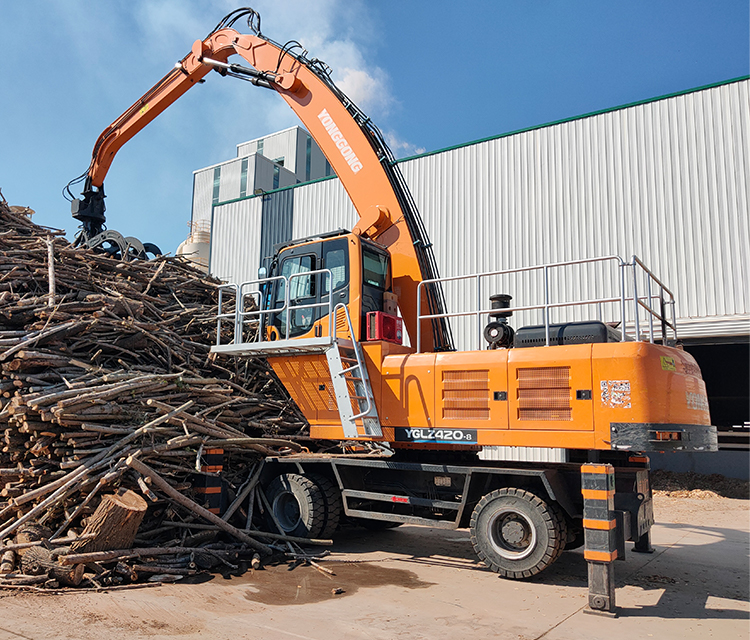
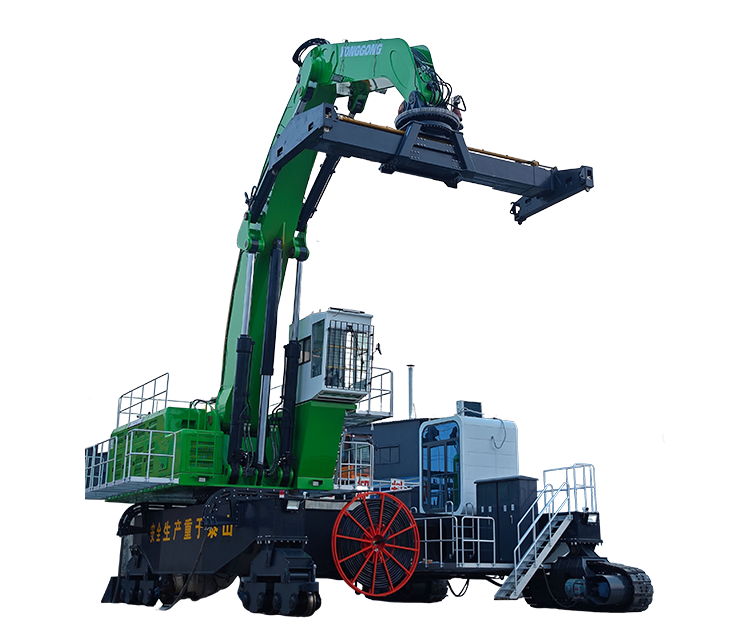
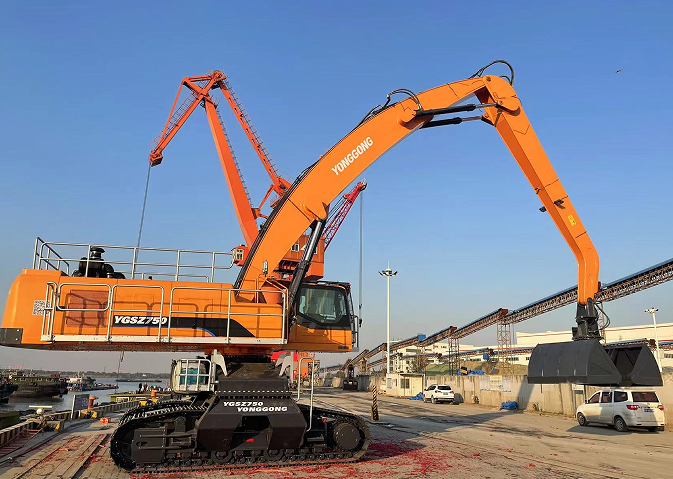
In scenarios such as mining and infrastructure projects, fixed excavators have become core equipment for heavy-duty construction due to their strong stability and high operational efficiency. However, for novice operators, how to quickly master the characteristics of the equipment and avoid operational risks is the key to determining construction efficiency and safety. This article, drawing on industry experience and typical cases, systematically sorts out the core skills for operating fixed excavators, helping beginners grow rapidly.
I. Pre-Startup Inspection: The "First Line of Defense" for Safe Operations
Before operation, it is necessary to conduct "three checks and three confirmations" around the equipment: check whether the levels of fuel oil, hydraulic oil and coolant are above the scale lines. A certain iron mine once caused the pump body to burn out due to insufficient hydraulic oil, and the maintenance cost exceeded 80,000 yuan. Make sure that the tracks/tires have no cracks and the bolts are not loose to avoid breakage during operation. Check the safety devices to ensure that the emergency stop button, limit switch and torque limiter are sensitive and effective. After starting, it needs to run idle for 5 minutes. Observe whether the pressure and temperature parameters on the instrument panel are normal and listen for any abnormal sounds from the engine and the hydraulic system.
Ii. Basic Operating Norms: Building Precise Control of "Muscle Memory"
1. Coordination skills of compound movements
Fixed excavators need to control three actions simultaneously: rotation, boom lifting and lowering, and bucket retraction and extension. Novices often suffer from low efficiency due to fragmented movements. The correct approach is to adopt the "master-slave control method" : with rotation as the main action, the lifting and lowering of the boom as auxiliary adjustments, and the retraction and extension of the bucket as the end correction. For instance, during excavation operations, the bucket is first aligned with the material by rotating, then the boom is lowered simultaneously and the bucket is slowly retracted, forming a smooth action chain of "three points in a straight line".
2. Principle of distribution of excavation force
Adjust the operation strategy according to the hardness of the material: For loose soil, the "bucket forward positioning method" is adopted, that is, the tip of the bucket teeth is slightly ahead of the centerline of the track, and the self-weight of the equipment is utilized to increase the digging force. Rock operations require switching to the "boom dominant mode", where the impact force is generated by the contraction of the boom cylinder, combined with the short retraction and extension of the bucket, to break the rock mass. In a certain tunnel project, due to the operator's continuous full-load excavation of hard rock, the sealing ring of the bucket rod cylinder was damaged, and the machine was shut down for maintenance for two days.
3. Rotation and walking control
When performing rotary operations, the rotation should be initiated 20 to 30 centimeters above the ground to prevent material spillage. Decelerate 0.5 meters before approaching the target position and precisely stop by taking advantage of inertia. Before walking, it is necessary to confirm the flatness of the ground. When working on slopes, keep the bucket 30 centimeters off the ground as a balance fulcrum. At a certain construction site, the equipment overturned due to the failure to collect the bucket, resulting in direct losses exceeding 300,000 yuan.
Iii. Special Working Conditions Response: The "Breakthrough Strategy" for Resolving Complex Scenarios
1. Deep pit operation skills
When excavating deep foundation pits, the "layered and segmented method" should be adopted: the depth of each layer of excavation should not exceed 70% of the maximum extension of the boom, and the width of each section should be controlled within 1.2 times the distance between the tracks. At the same time, keep a safe distance of more than 2 meters between the equipment and the edge of the pit. In a certain municipal project, an operator ventured close to the edge of the pit, causing the equipment to slip and resulting in casualties.
2. Work in narrow Spaces
In restricted scenarios such as pipe galleries and tunnels, the "mirror operation mode" needs to be enabled: by using rearview cameras and side monitoring sensors, a 360-degree environmental perception system is constructed. When operating, prioritize the use of forearm movements, reduce the overall rotation frequency, and avoid colliding with surrounding structures.
Four. Secrets to Efficiency Enhancement: The Advanced Path from "Knowing How to Drive" to "Driving Well"
1. Optimization of material loading
Adopt the "V-shaped loading method" : Place the bucket above the middle of the truck compartment. When rotating, lift the boom simultaneously to make the material fall into the compartment in a parabolic shape, reducing the need for secondary adjustments. Actual measurements show that this method can reduce the loading time of a single bucket to 8 seconds, which is 40% more efficient than the traditional method.
2. Energy-saving operation strategies
Avoid idling for a long time. If the operation interval exceeds 3 minutes, the engine should be turned off. Make rational use of the self-weight of the equipment for downhill excavation to reduce the load on the engine. The pressure of the hydraulic system is set at 85% to 90% of the rated value, which can not only ensure power but also reduce energy consumption.
Conclusion
The operation of fixed excavators is a comprehensive manifestation of "technology + experience + safety awareness". Novices need to build motor memory through simulator training and complete 500 hours of practical operation under the guidance of a master before working independently. With the popularization of intelligent auxiliary systems, future devices will further lower the operation threshold through technologies such as vibration feedback and AR projection. However, mastering basic skills remains the cornerstone of safe and efficient operation.