Telephone: 86-18937010258
86-0370-5700888
Phone: 86-18438296999
Email : henanyonggong@163.com
Website: en.hnygjx.com.cn
Production base: 2 xishan road, yongcheng economic and technological development zone, henan province
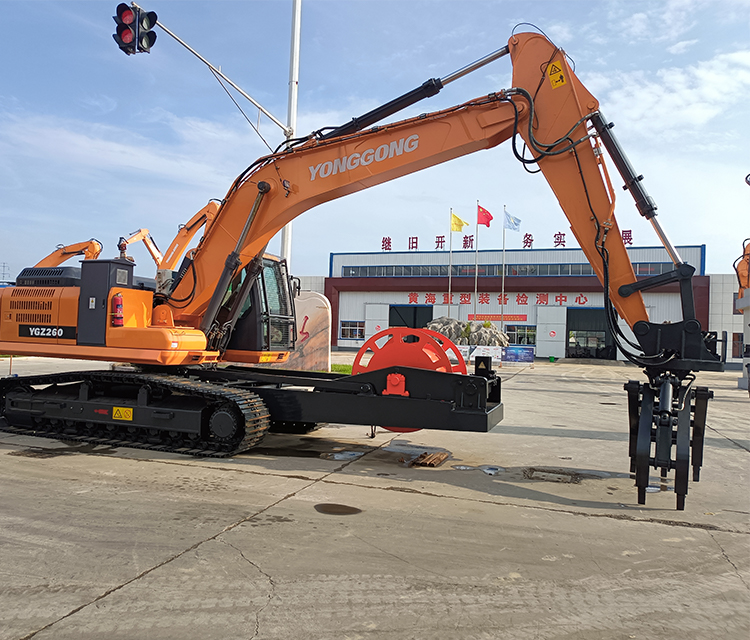
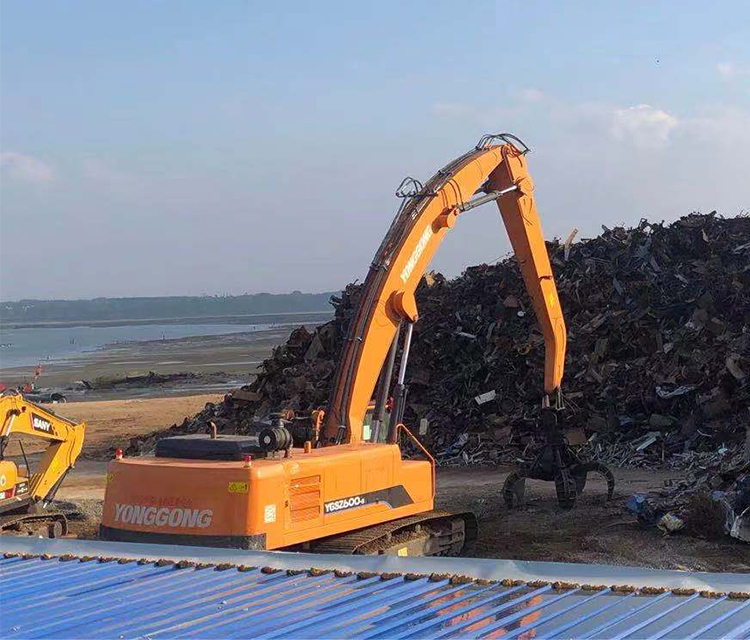
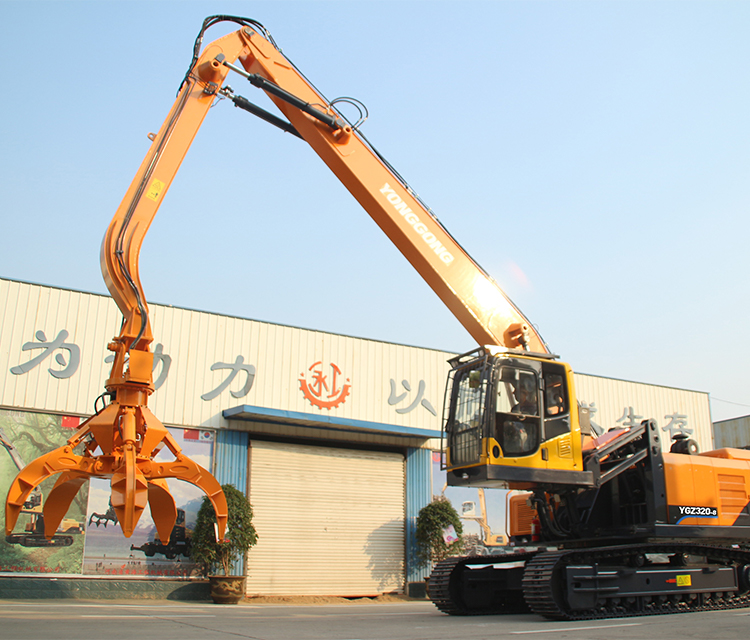
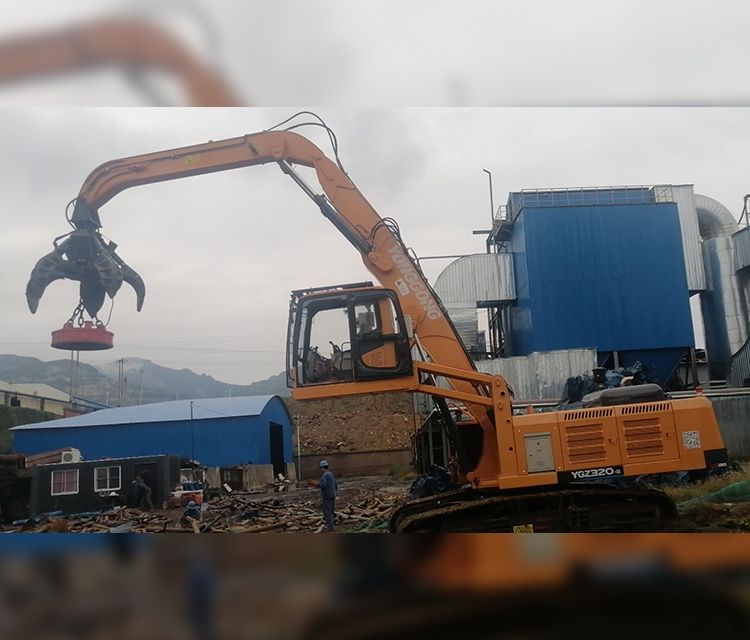
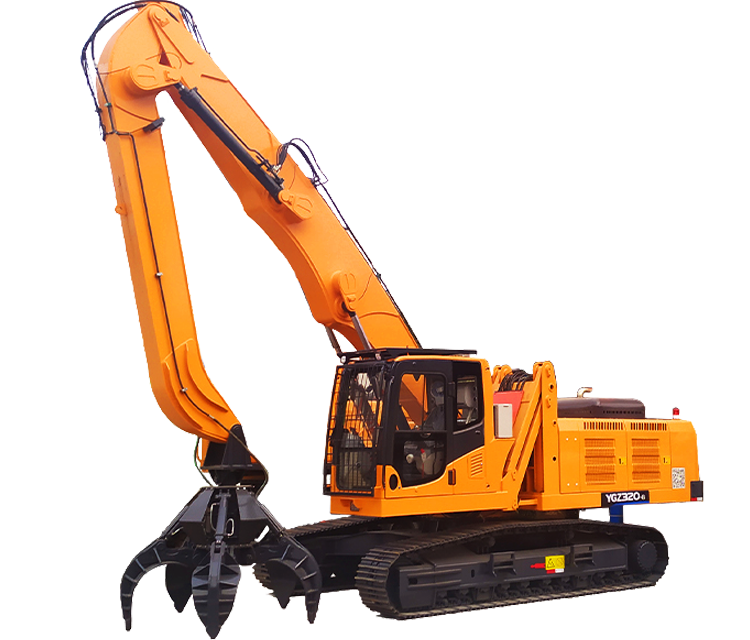
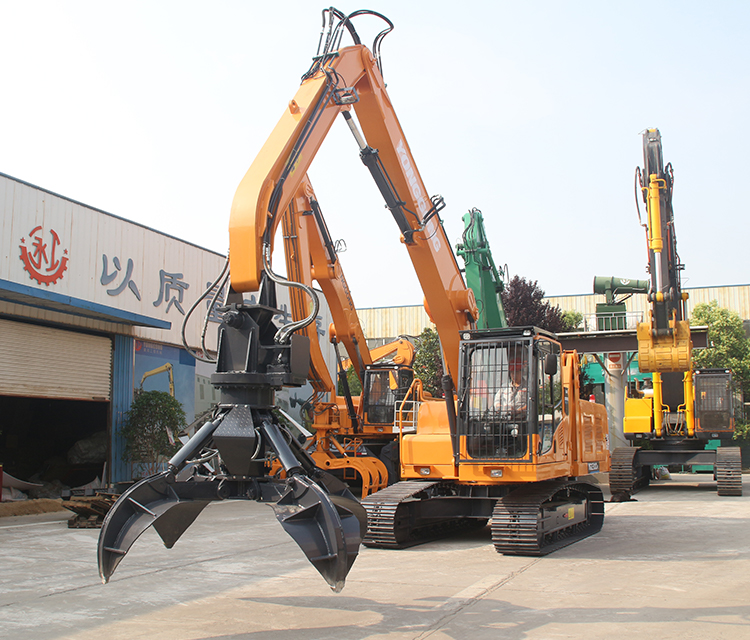
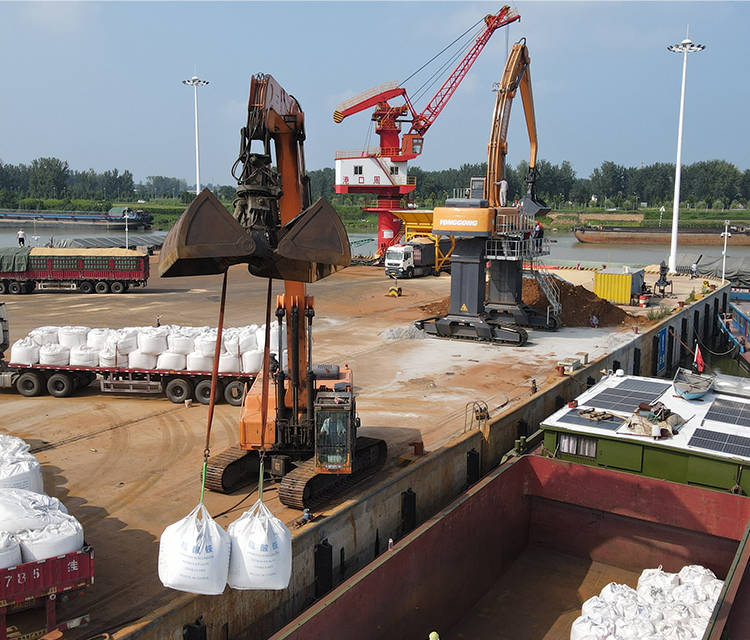
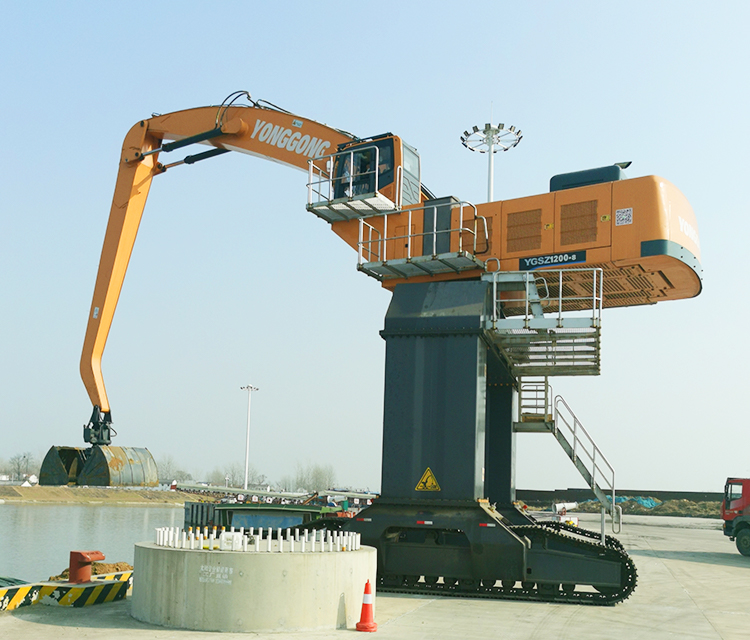
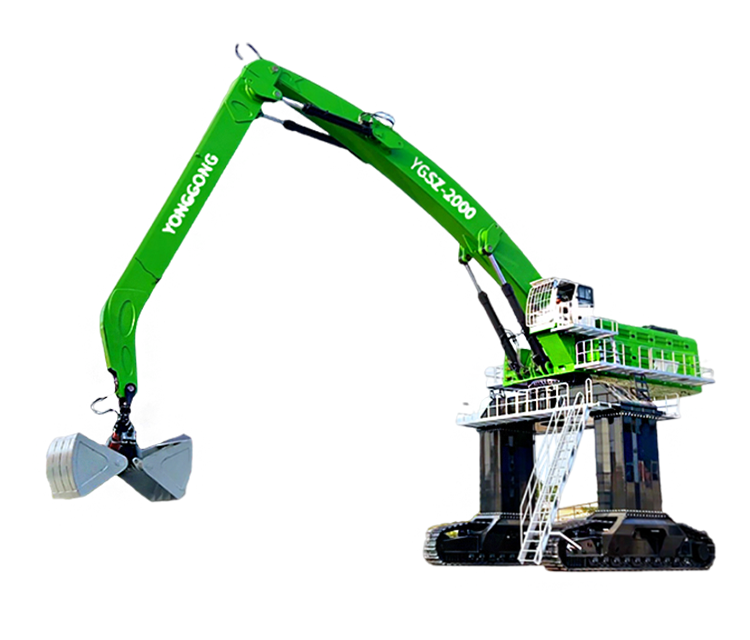
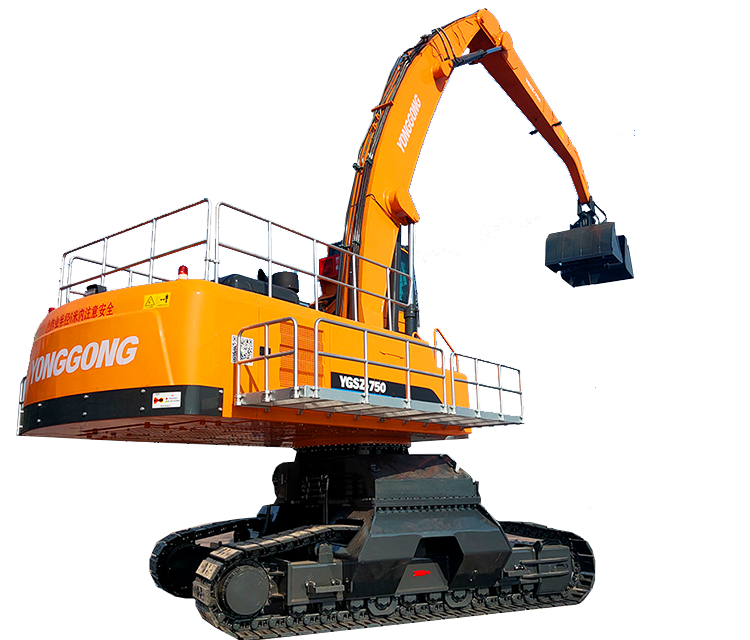
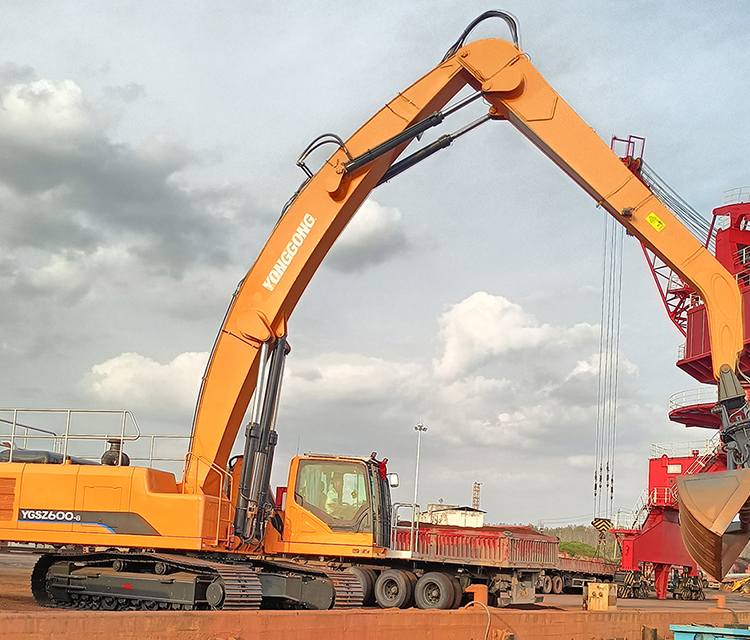
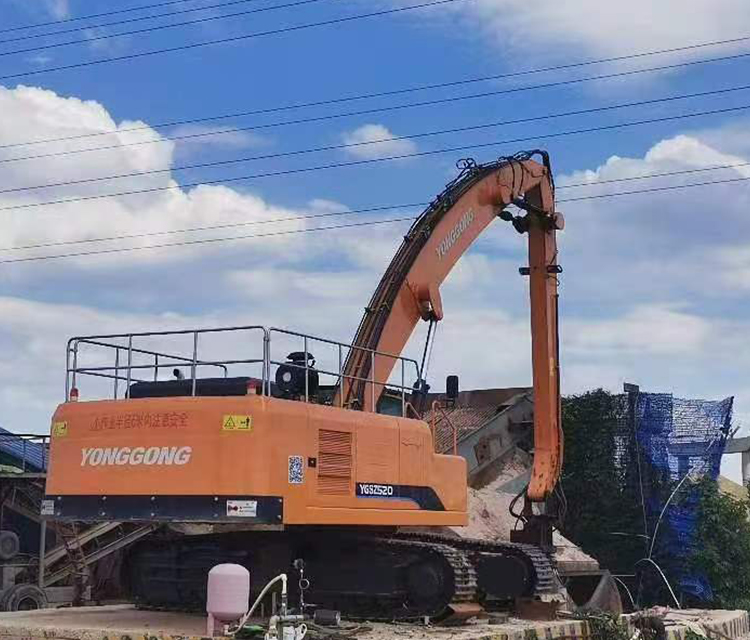
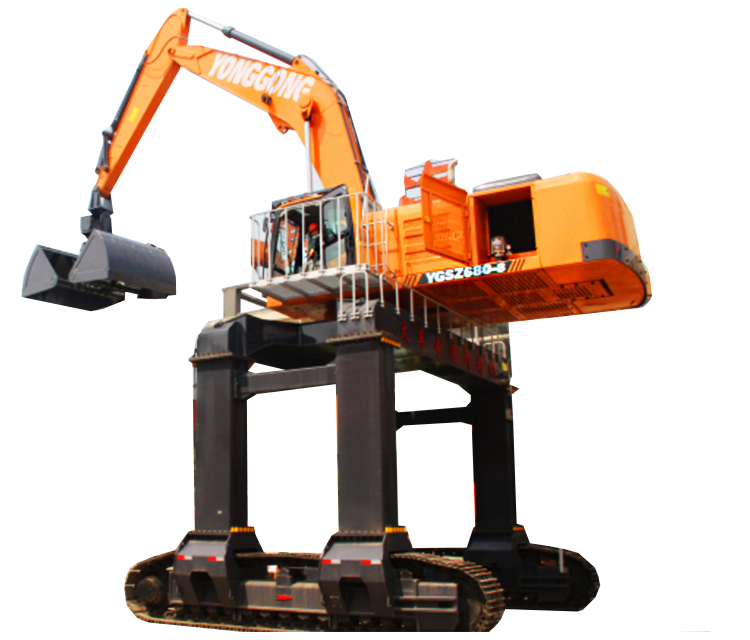
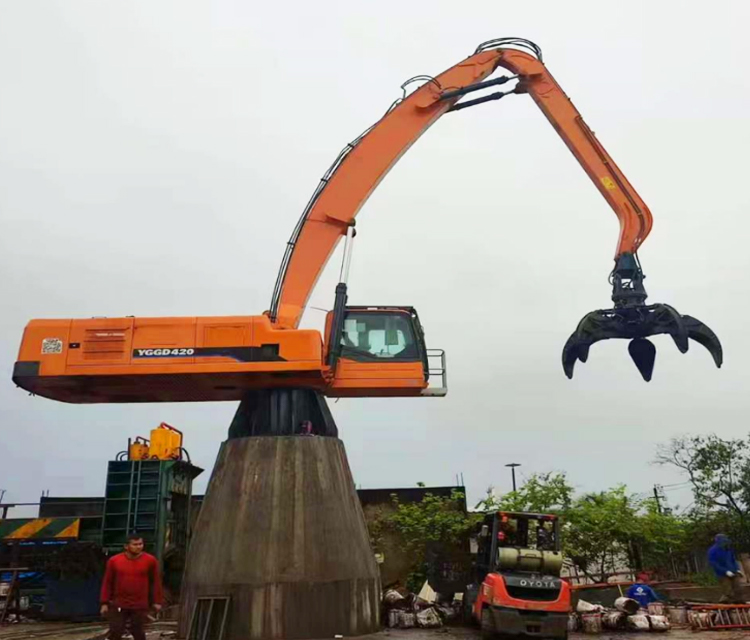
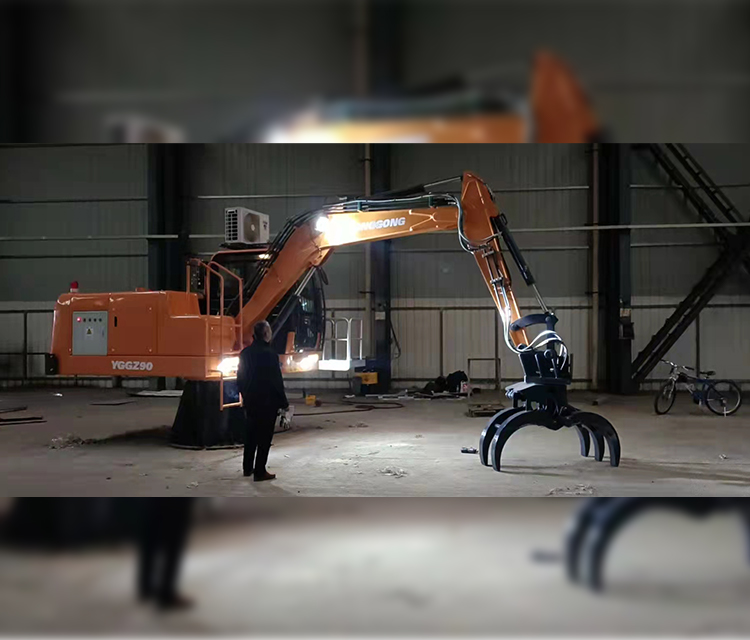
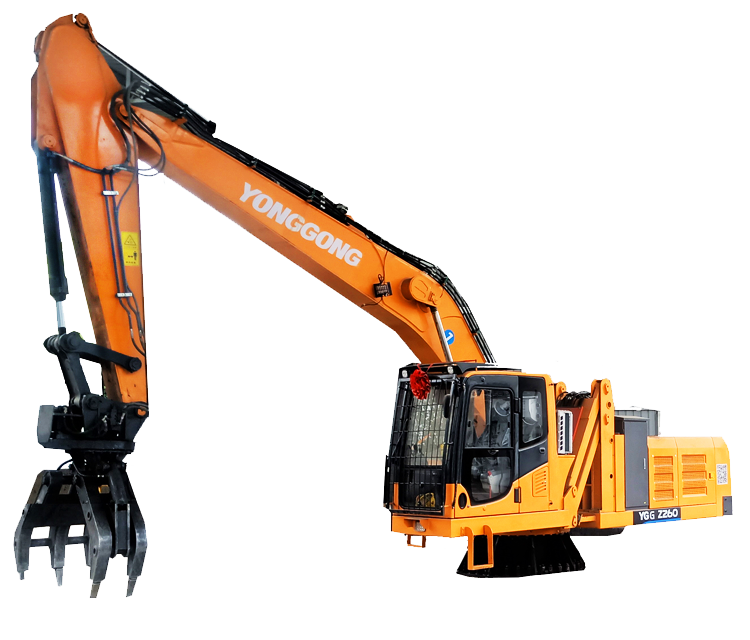
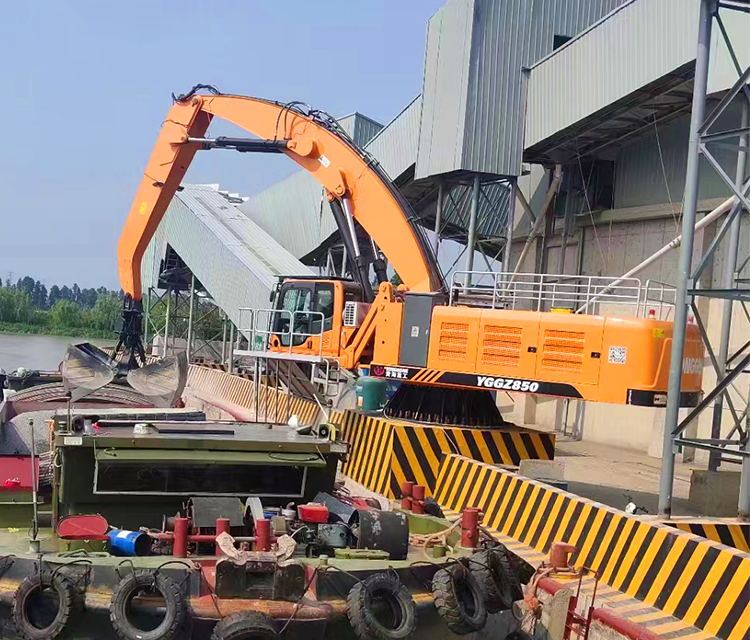
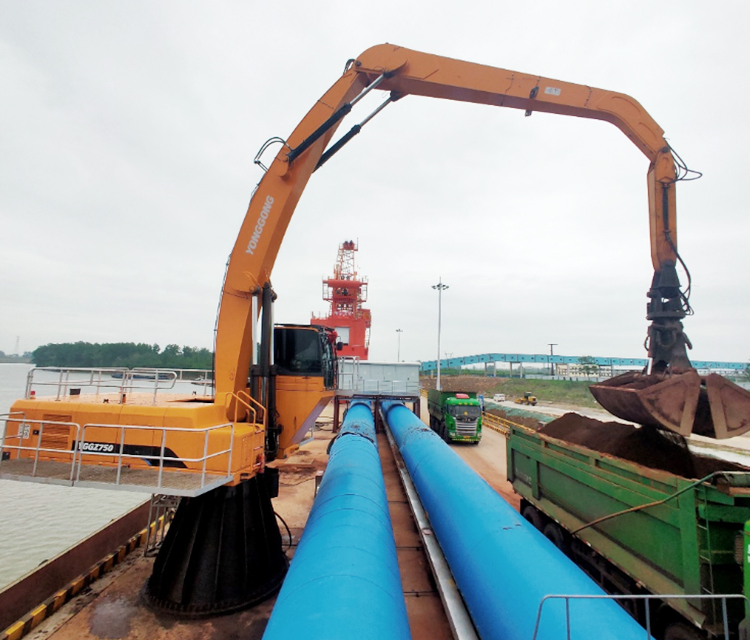
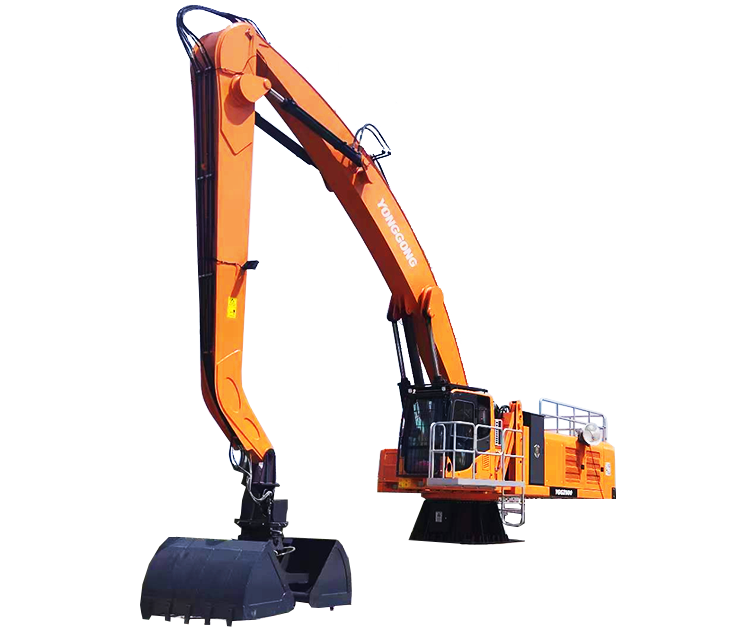
Crawler-type scrapers are widely used in heavy-load operation scenarios such as scrap steel processing, port bulk cargo transfer, and building material loading and unloading. The operating environment is often accompanied by large loads, narrow spaces, and many blind spots. Complete safety devices are the core guarantee to avoid accidents such as equipment overturning, injuries caused by falling objects, and operational errors. Its safety devices can be divided into five categories according to their functions, covering risk prevention and control throughout the entire operation process.
The category is the body stabilization and anti-overturning device, which is the core safety barrier for heavy-load operation of the crawler grabber. One is the torque limit and tipping alarm device. Through the pressure sensors installed on the boom and hydraulic system, as well as the fuselage angle and amplitude monitoring unit, the matching degree of the lifting weight, boom amplitude and the center of gravity of the entire machine is calculated in real time. When the data approaches the critical value of overturning, the system first triggers an audible and visual alarm to remind the operator. If the limit is exceeded, it will automatically lock dangerous actions such as bucket retraction and rotation to prevent the fuselage from rolling over. The second is the track tensioning and outrigger locking device. Abnormal track tension can cause derailment and slipping. The device monitors the position of the tensioner wheel through a displacement sensor and alarms for adjustment when abnormality occurs. When the outriggers are not fully locked during operation, the system will lock all operating movements to prevent the outriggers from suddenly slipping and causing the fuselage to tilt.
The second category is load and energy control devices, targeting the risks of hydraulic systems and grab operations. Hydraulic overload protection is standard. The overflow valve and overload pressure relief valve will automatically release pressure when the system pressure exceeds the rated value to prevent pipeline rupture and high-pressure oil spraying from injuring people. The grab self-locking device uses mechanical locking or two-way hydraulic locking to prevent the grab from falling due to oil line leakage during operation, and prevent falling object accidents. In addition, the walking speed limiter will automatically limit the walking speed on slopes, soft ground and other scenes where the car is prone to rolling, ensuring the stability of the entire machine.
The third category is operating safety and vision protection devices, which directly protect the safety of operators. The cab adopts a high-strength protective frame and explosion-proof tempered glass, and an anti-falling object protective shed is set on the top to resist the impact of bulk materials splashed during operations and heavy objects falling from above. The travel limit device of the boom and the grab strictly limits the rotation angle of the big arm and the small arm and the up and down movement range of the grab to prevent the boom from over-traveling and collision with obstacles the 360-degree panoramic camera and night vision auxiliary system fill in the blind spots of the operating field of vision, helping operators accurately judge the surrounding environment and reduce misoperations.
The fourth category is personnel warning and approach warning devices to prevent and control risks to surrounding personnel. When the equipment is operating, warning lights and steering horns continue to remind surrounding personnel to avoid it dangerous operating areas are equipped with infrared or radar detection personnel approach warning systems. When personnel enter the dangerous area within the operating radius, the system will first trigger an alarm. If personnel do not evacuate in time, dangerous actions will be automatically locked to prevent equipment collisions. Clear safety warning signs are also posted at key locations to indicate risk points such as high voltage and heavy load.